Zeroing the Gun

by
posted on March 2, 2012
** When you buy products through the links on our site, we may earn a commission that supports NRA's mission to protect, preserve and defend the Second Amendment. **
wiley-clapp.jpg

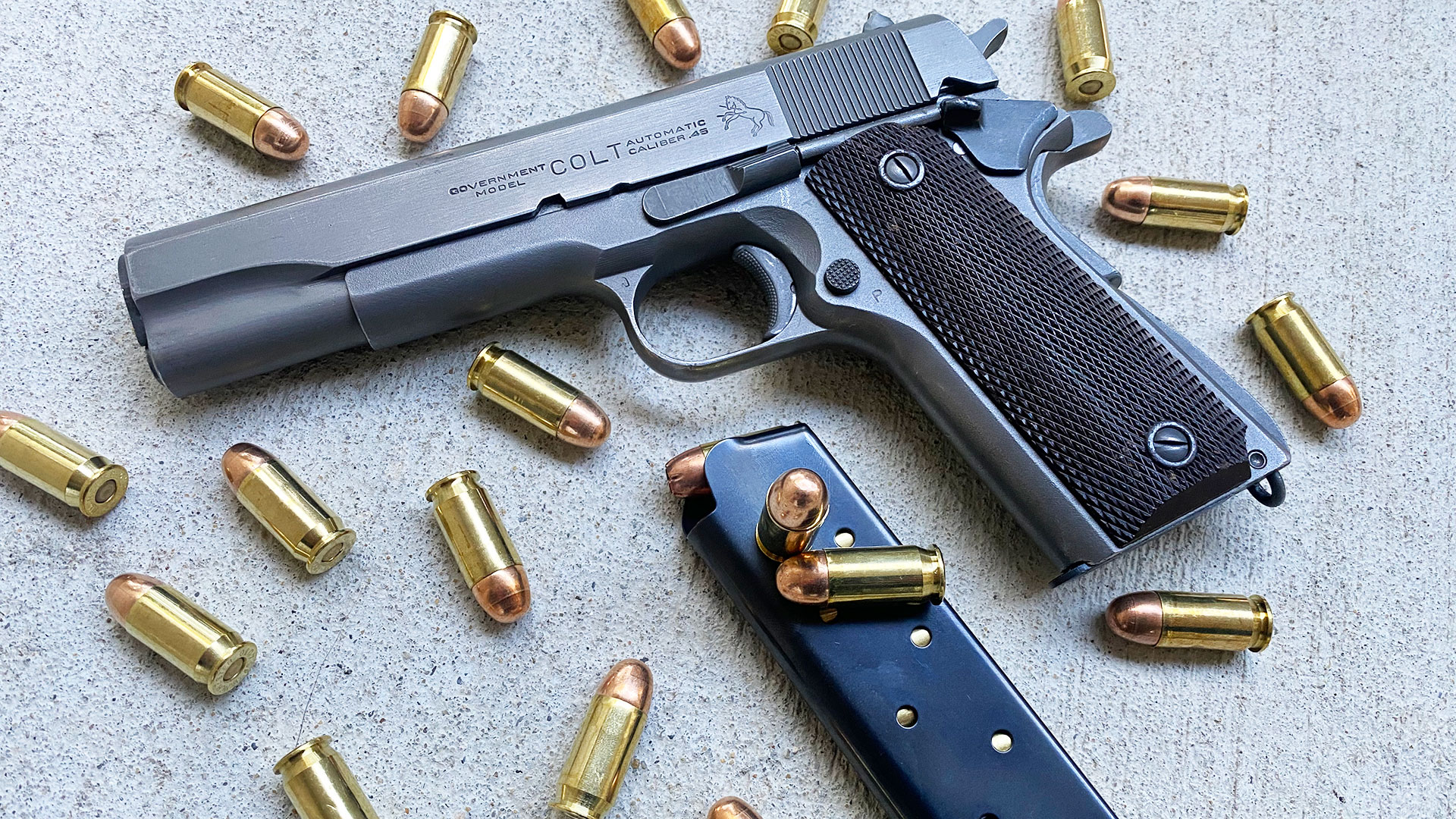
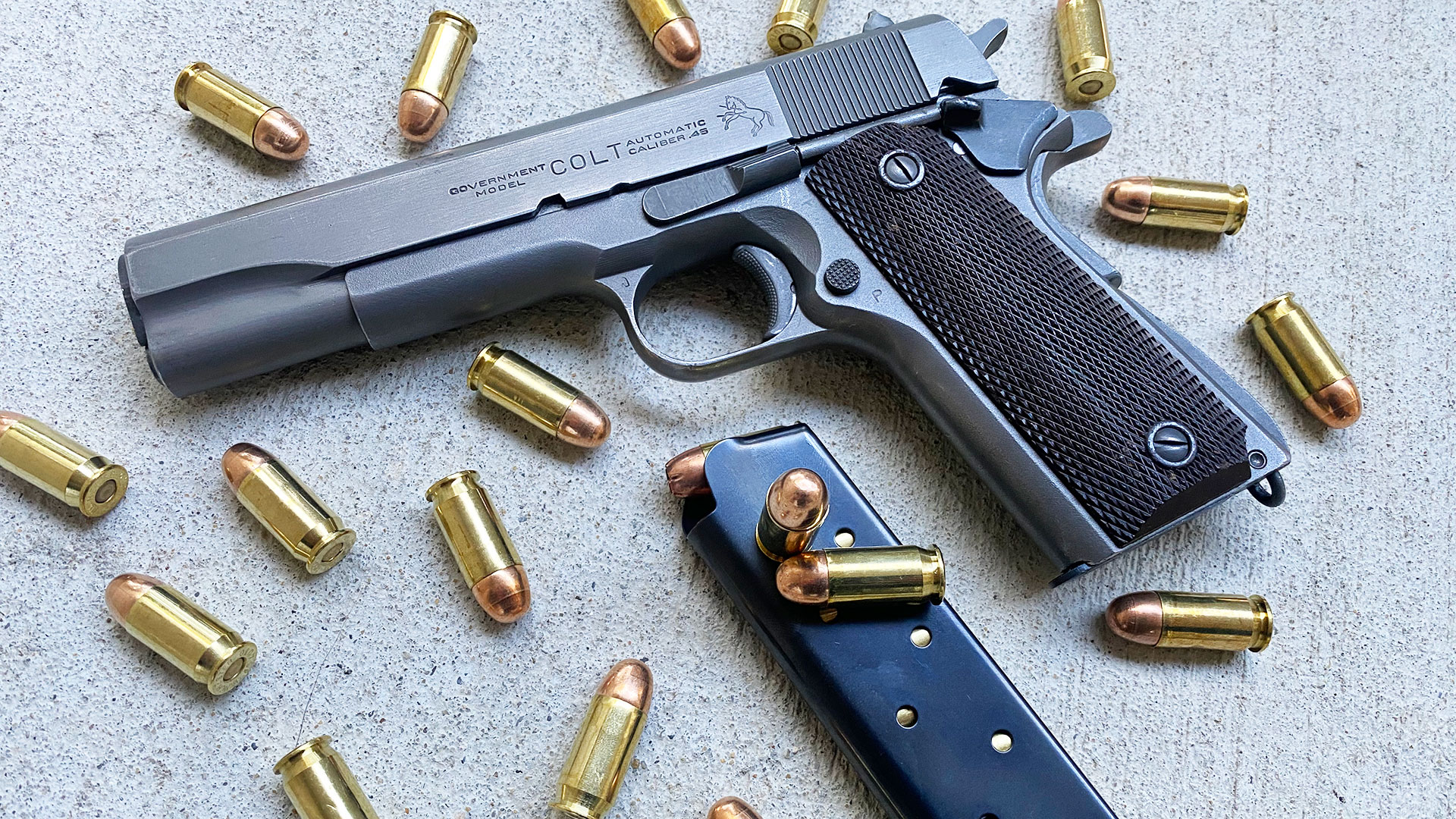
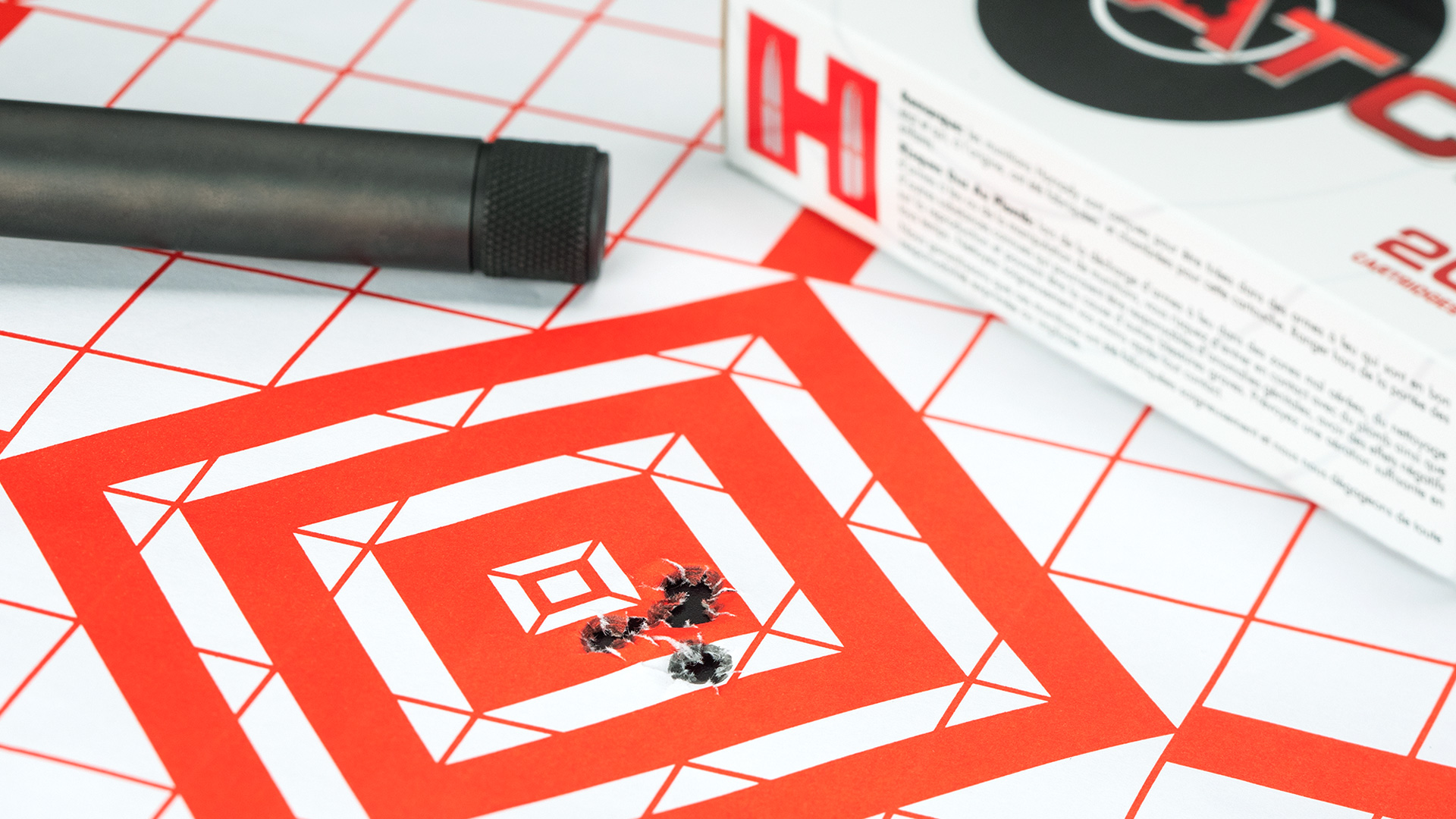
I overheard a gun store conversations the other day that set my mind to thinking about the process of getting all the shots into the center of the target. One guy was talking to an experienced gun salesman and complaining about the work of a well-known custom pistolsmith. The smith had done an accuracy job on a pistol by installing a premium barrel and meticulously fitting it to the frame and slide.

The pistolsmith then fired the gun and adjusted the sights to center the group in the bullseye. Our customer was unhappy because the group wasn't centered when he (the customer) fired the gun and the group “wasn't very tight.” Since I knew the pistolsmith involved, I had to chuckle at this one.

Nobody can zero your gun except you. Differences in human eyesight, grip, stance and breathing, among other factors can contribute to two different shooters using the same gun/ammo combination and getting the same sized group in two different places on the target. If the gun has a good accuracy potential and both shooters are of virtually equal skill, the difference in group location is probably not very large.

So when the pistolsmith zeroed the gun, he did so for his eyesight and shooting style, not the customer's. If the group is not centered for the customer, it's up to him to use the sight screwdriver and adjust the point of impact appropriately. And if he can't shoot as good a group as the gunsmith, the he has no choice except to get the larger group centered over the desired point of impact and then practice to develop his marksmanship skill. In the process of doing so, that group may migrate around the target.

Latest

Rugerzrepor
Rugerzrepor

Ruger to Discontinue Several Major Models

Ruger announced a major change to several of its longtime product lines this week, stating that it would immediately suspend production of several models while finishing out current production runs of other models through 2026.

I Have This Old Gun: The British Lee-Metford Rifle

In the late 1880s, the British military adopted its first bolt-action rifle chambered for the .303 British cartridge. This is the Lee-Metford, the first step on the way to the iconic Lee-Enfield.

Colt Delivers M4A1 Rifles to Guatemala Through Foreign Military Sales Program

Guatemala’s military recently acquired more than 2,000 Colt M4A1 rifles through the U.S. government's Foreign Military Sales program as part of the country's ongoing military modernization efforts.

NRA Launches New Texas Senate Ad as Part of Multi-Million Dollar Campaign to Retain Pro-Gun Majorities in Congress

The NRA today released a new 30-second ad highlighting Democrat U.S. Senate candidate James Talarico’s longstanding support for banning so-called “assault weapons” and standard-capacity magazines—the firearms and accessories owned by millions of law-abiding Texans.

Going Pro: Springfield Armory's Echelon Pro Comp

Springfield Armory has expanded its Echelon line of handguns with several new Echelon Pro Comp offerings, bringing a number of what the company calls "performance-oriented enhancements" to the platform.

Steel Yourselves—Metal is Back

These days, it’s safe to say that injection-molded polymer of some sort is the most prevalent material from which to construct a pistol frame, but lately, that trend seems to be reversing. Metal is back.

Interests


Get the best of American Rifleman delivered to your inbox.