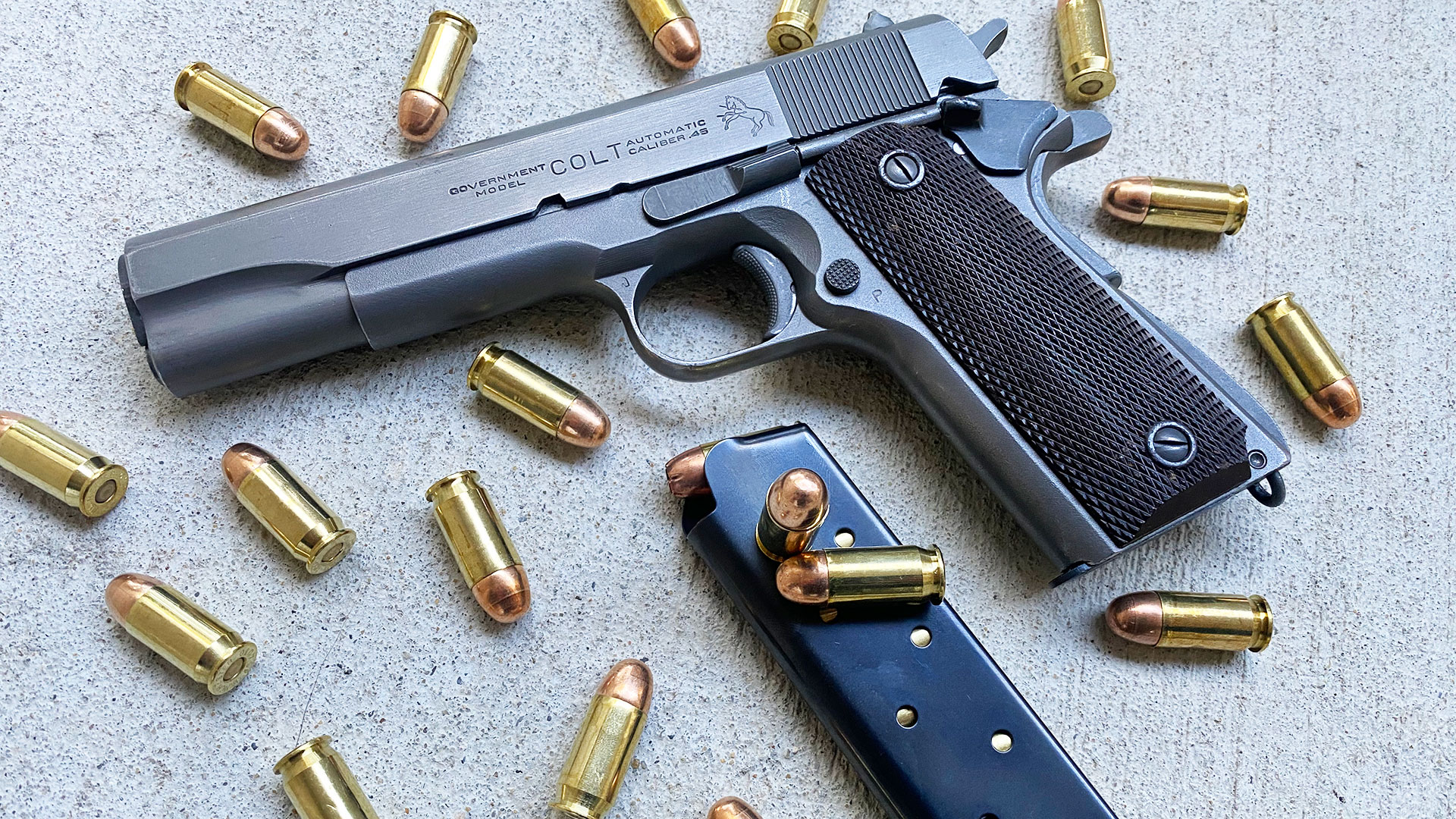
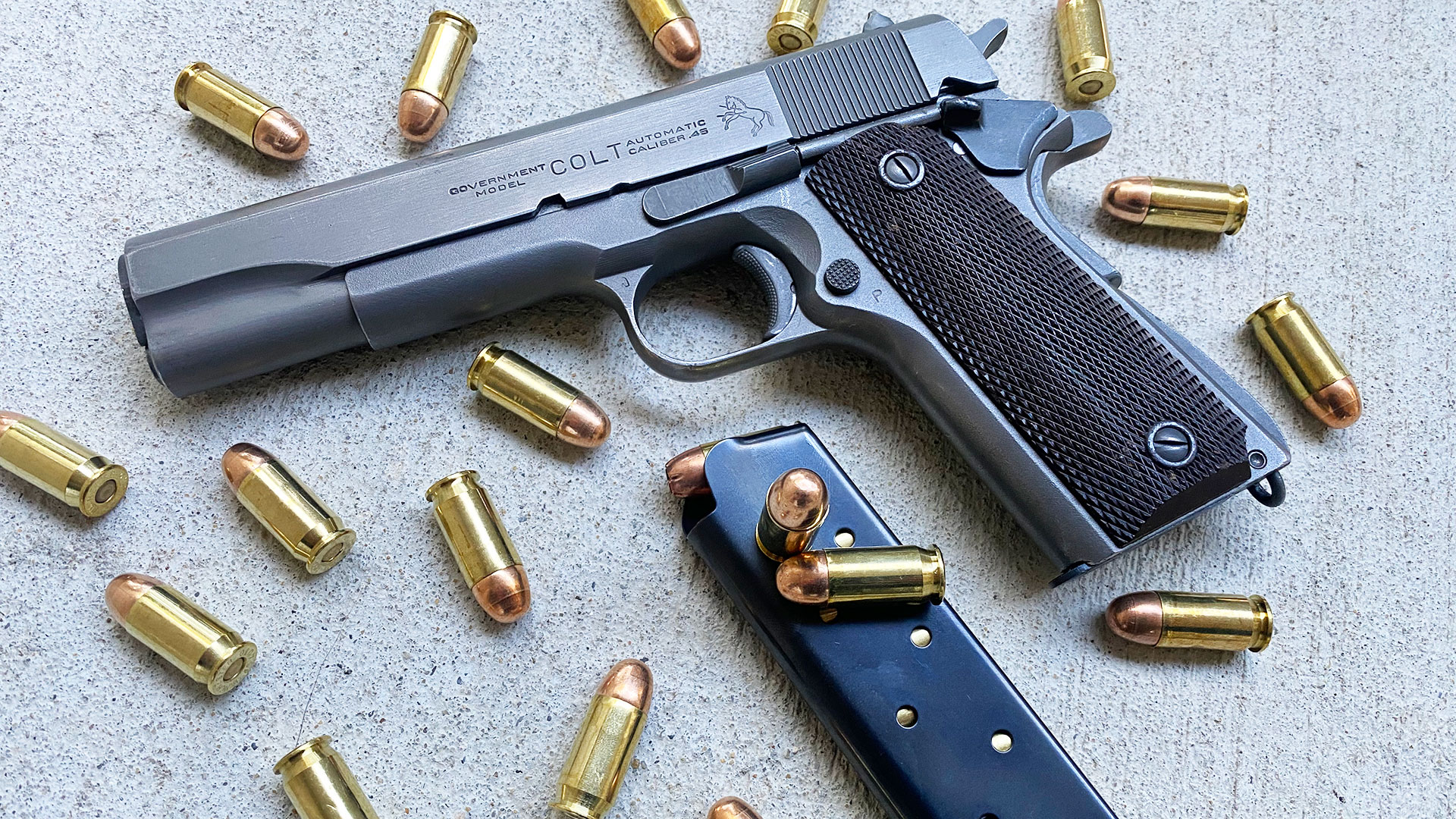
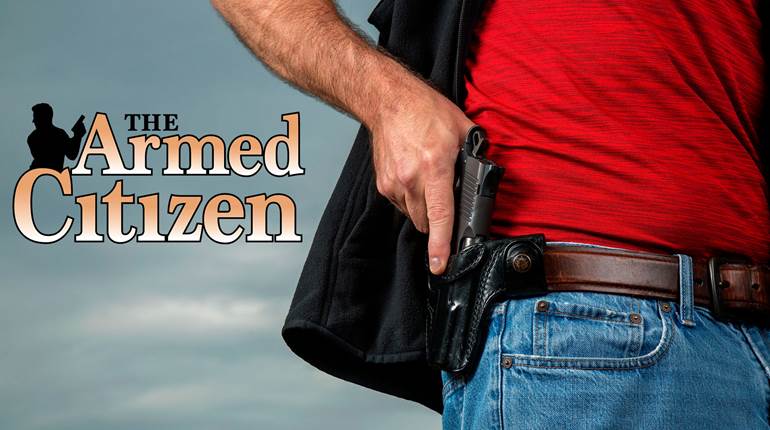
Q. I prefer to carry a semi-auto pistol in the woods. I would like to know what pistols I can carry in a holster with a round in the chamber ready to shoot without a safety on.
A. The gist of your question is open to interpretation. I will assume that you seek a semi-automatic pistol that can be safely carried with a round in the chamber without the safety being engaged or lacking a safety altogether. Actually, there are many pistols available today that fit that description. Practically all modern double-action autoloaders are safe to carry without the safety being engaged.
On many of these guns, the safety is also a decocking device, meaning that engaging it will lower the hammer, while rendering the trigger inoperable at the same time. The only safe way to carry this style of pistol is with the hammer down. To fire the gun, it is only necessary to pull the trigger. Because it is a double-action pistol, pulling the trigger moves the hammer rearward to a point where it is released, firing a round (similar in operation to firing a double-action revolver).
Unless the particular pistol fires only in the double-action-only mode, subsequent firing requires a single-action pull. This style is offered by Beretta, CZ, Heckler & Koch, Ruger, Sig, Smith & Wesson, Taurus and others.
Another autoloader design typified by the Glock pistols may lack an external safety. Pulling the trigger loads a striker against a spring until a point is reached where the striker is released, firing the cartridge. Like double actions, the first and all subsequent shots have the same trigger pull. Pistols of this design are also made by FN, Kahr, Smith & Wesson, Springfield Armory, Walther and others.
-John W. Treakle
Originally published December, 2006
Most Popular