Q. I am looking for the best accuracy with varmint bullets in the 50- to 60-grain range out of a .22-250 Remington rifle, but it appears twist rates range from 1:9" to 1:14". Can you help narrow down what will be best?
A. When the .22-250 Rem. cartridge was developed, it was seen as a rival to the .220 Swift utilizing similar-weight bullets. Barrels typically featured a 1:14" twist rate—and so it was for decades, but there has been a recent trend of building “heavy-bullet” .22-250s for use in long-range shooting and for hunting deer-size game. Once bullet weight exceeds about 60 grains, stabilization in 1:14"-twist guns becomes inconsistent. Even starting at about 60 grains, proper stabilization requires a 1:10" twist, and bullets weighing between 60 and 70 grains require 1:8" twists.
I can’t state what the best option is, but you definitely don’t require a twist rate faster than 1:12" for the weight of bullets you intend to use—1:10" would likely serve well but can cause problems with frangible bullets with thin jackets. Again, if you keep the bullet weight in the range you state, 1:14" will likely be fine. My .22-250 Rem. rifle features 1:12"-twist rifling and shoots less than 1 m.o.a. with 50- and 55-grain bullets.
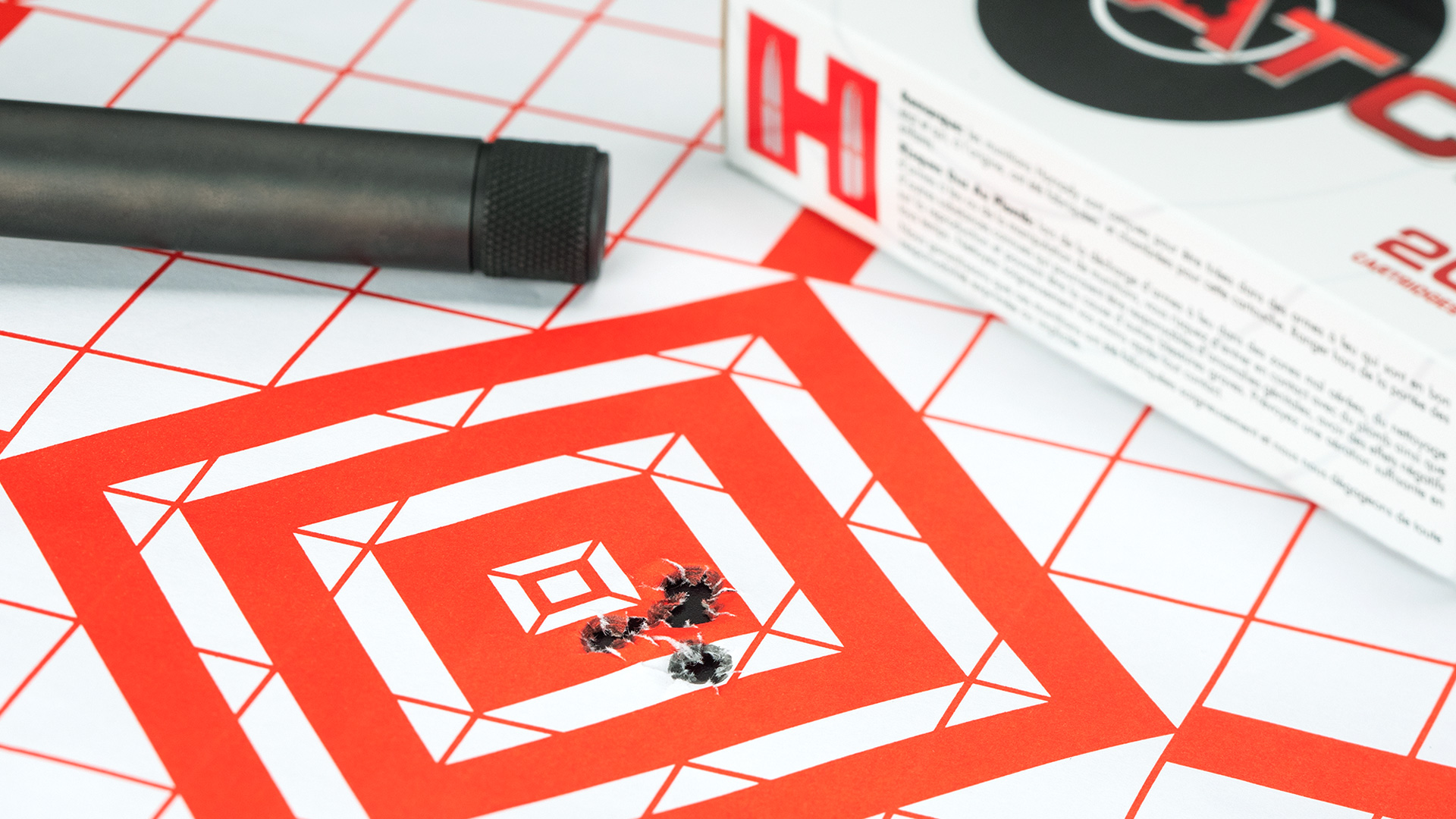
For experimental purposes, I once loaded some Hornady 68-grain boattail hollow-point bullets. After five rounds, I looked through the scope and saw no holes in the target or the 36" backer. Five more rounds caught one in the corner, about 18" from the center, and the hole shape was a perfect silhouette of the bullet—so I definitely learned to stick with the weights that my barrel preferred.
Most Popular