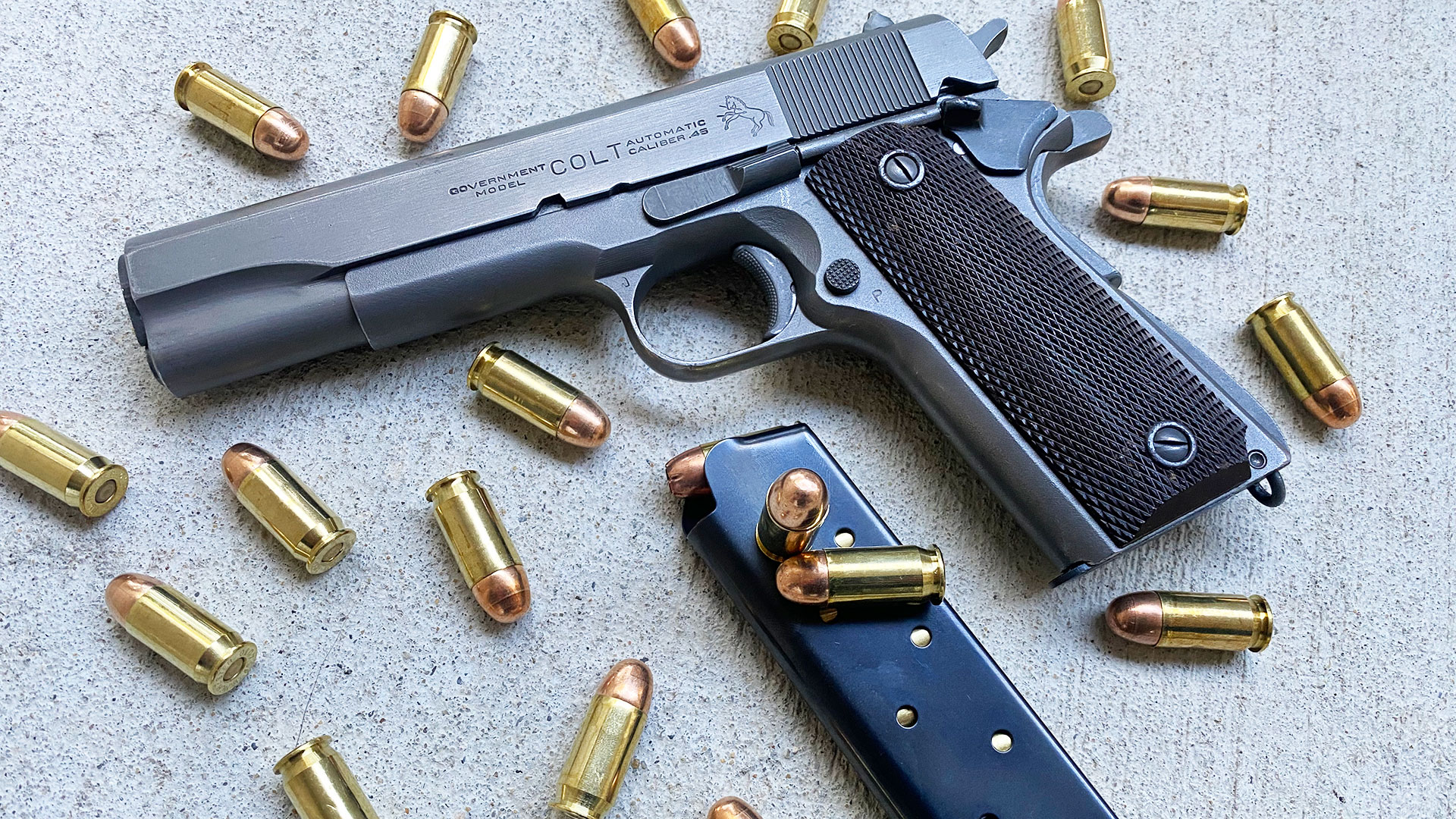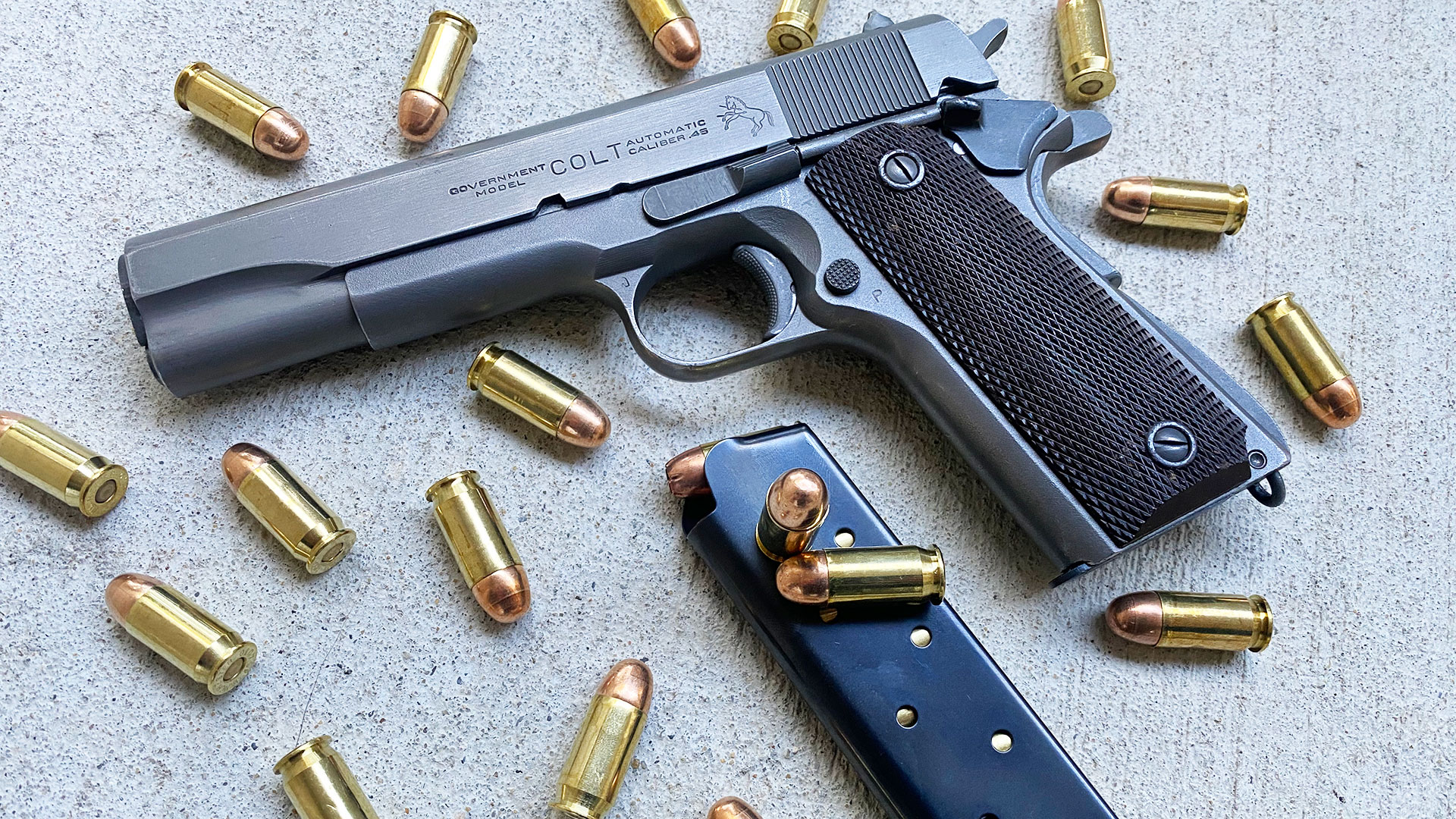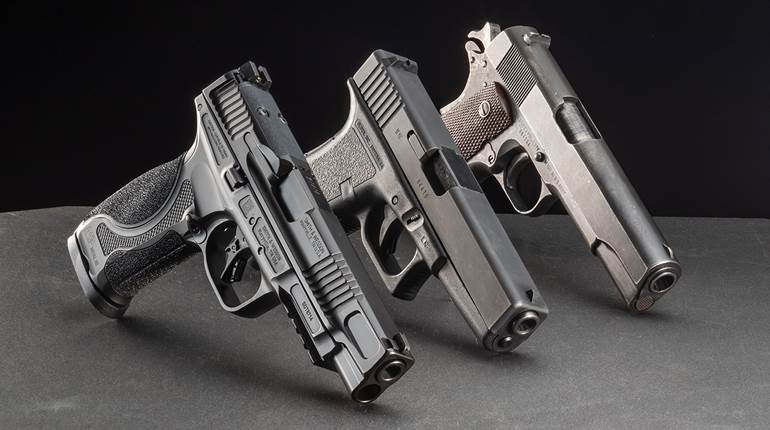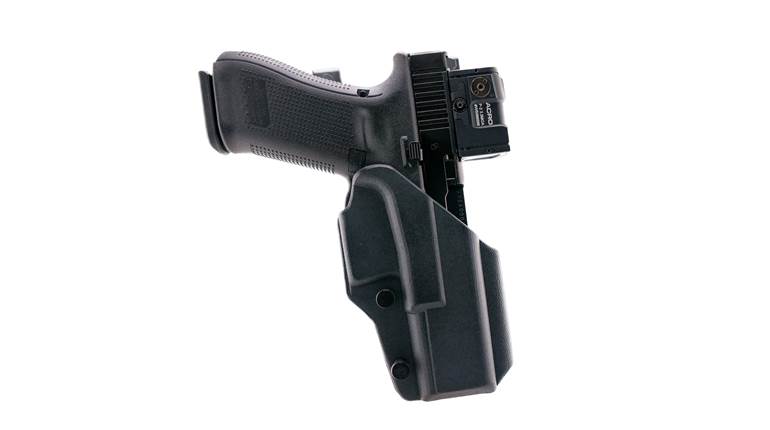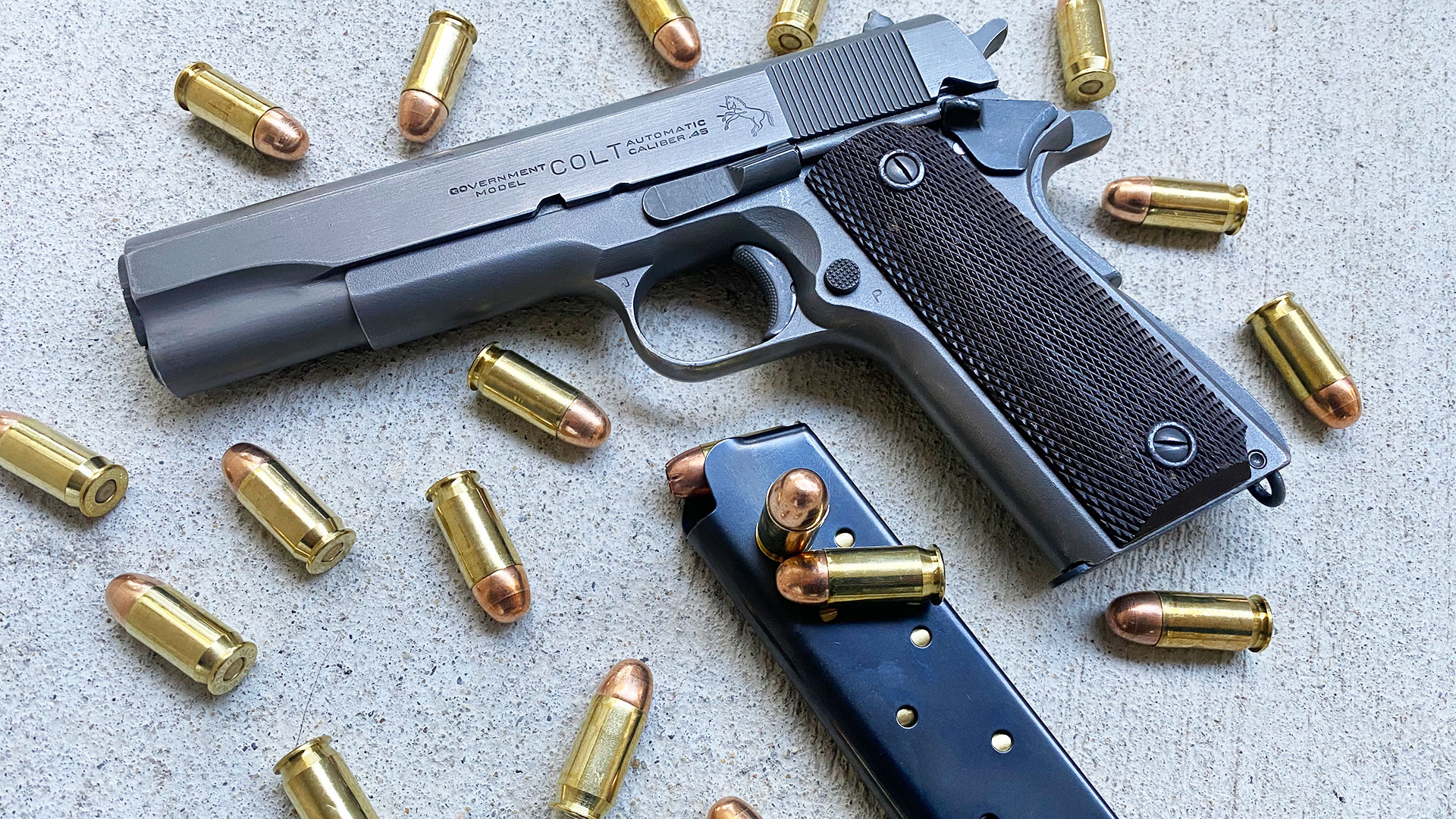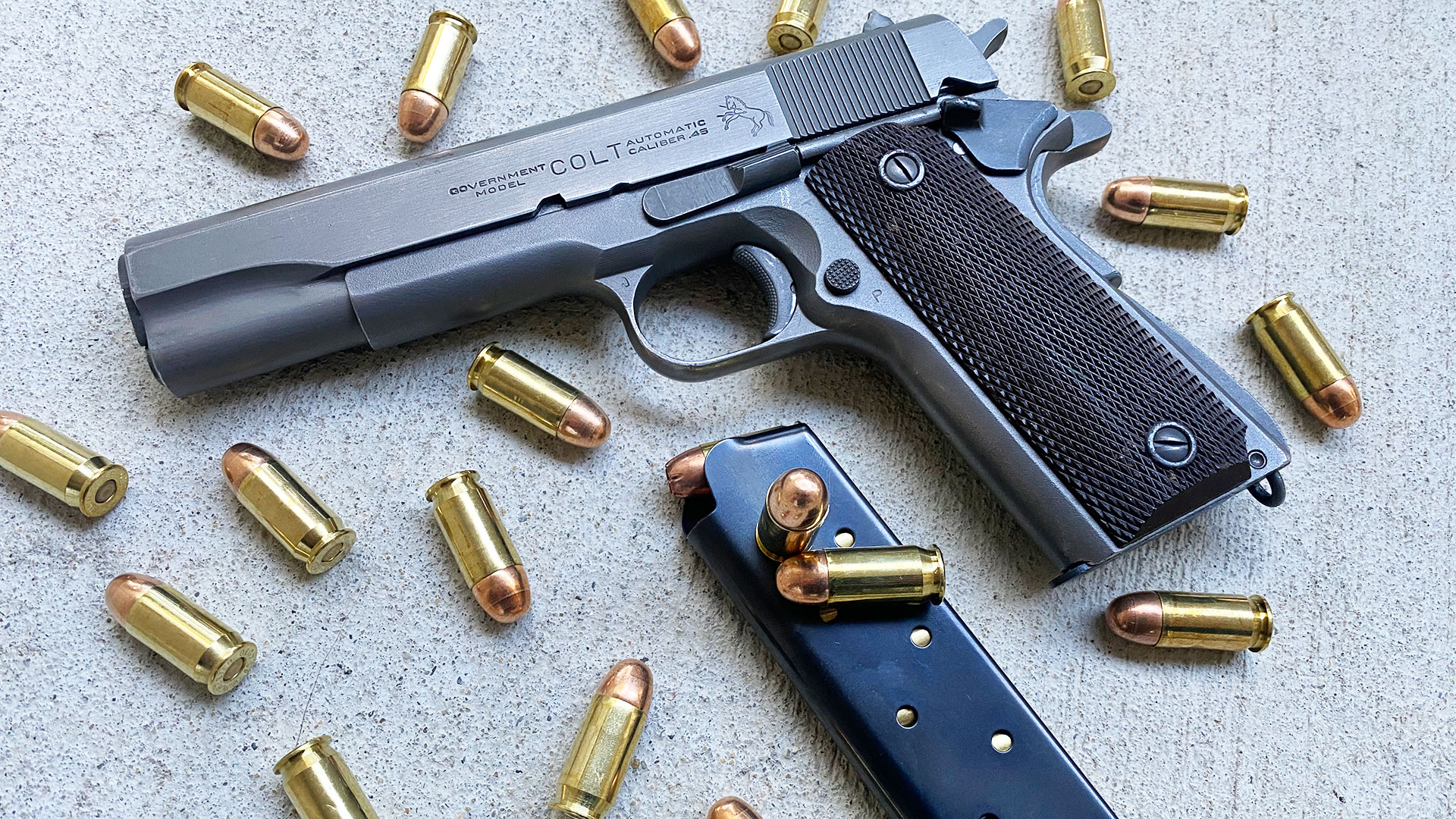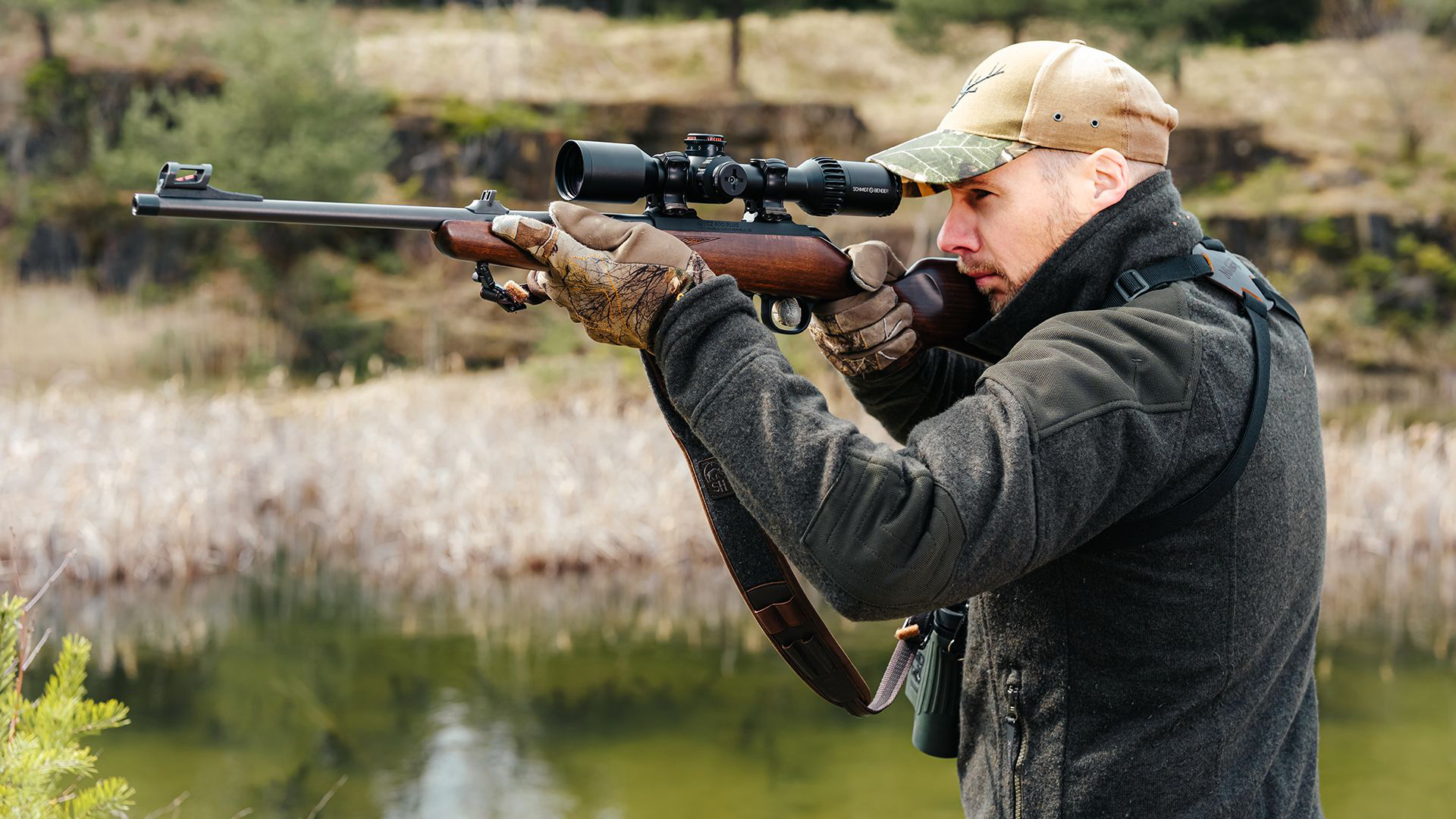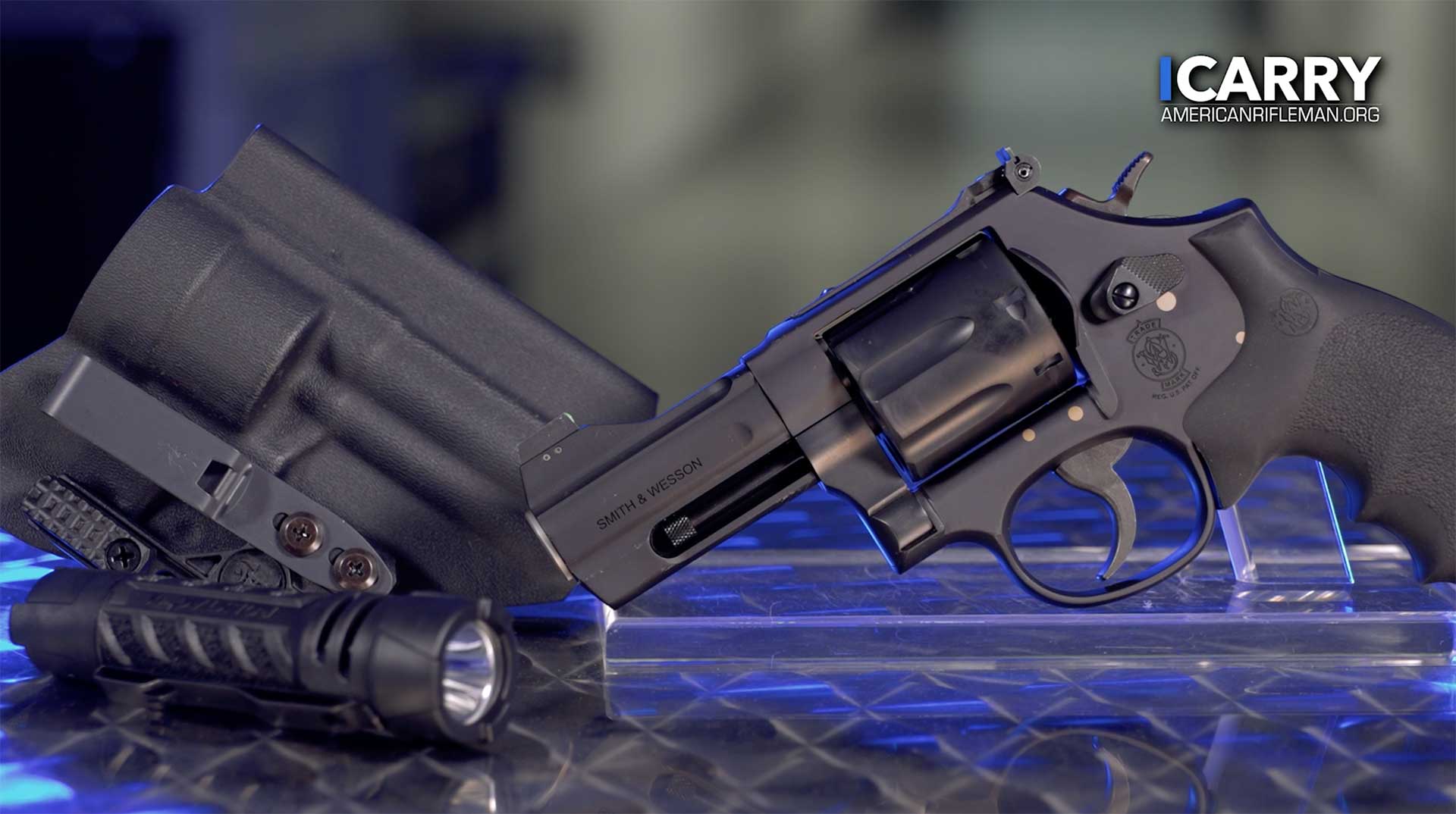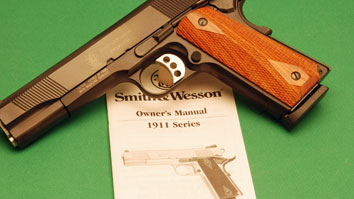
I know that it is considered unmanly, but we are all going to have to accept the necessity for reading the little book that comes with our new firearms. Modern automatic pistols are examples of advanced design and engineering, but they are also different from the handguns of years ago. I can clearly remember a time when all readily available pistols had single-action triggers and manual safeties, high on the left side of the frame. The operating procedure was pretty much the same for the all. But then the GIs started coming back with souvenir P38s and PPKs in their dufflebags and everything began to change. For the first time, we had semi-auto pistols with both DA and SA triggers in the same gun. It was all in the name of progress, but it could be confusing.
Worse yet, some makers felt the need to work a decocker into the safety system of their DA/SA pistols.With some the safety turnedup, whileother models needed it toturned down. For a long time, SIG Sauer made every single pistol of any size, shape or caliber with the same kind of logical, easily learned system—DA/SA, decocker, no safety. Then, starting in the early ‘80s, we saw a flood of new guns pouring into the country from Europe, Brazil and China. These guns worked on many different systems. The GLOCK came out around '85 and nothing has been the same since. The GLOCK started with an ultra-simple Safe Action and never changed. Others were quick to imitate, but never quite equaled that successful Austrian import. We presently have makers with thick catalogs that show a myriad of pistols with radically different operating systems.
I recently had an embarrassing experience with a pistol that I couldn't make fire. It took a long time for me to figure out that I didn't understand how it worked, because I did not read the manual. I therefore advise all readers to stop before they shoot and read the danged manual.
Most Popular