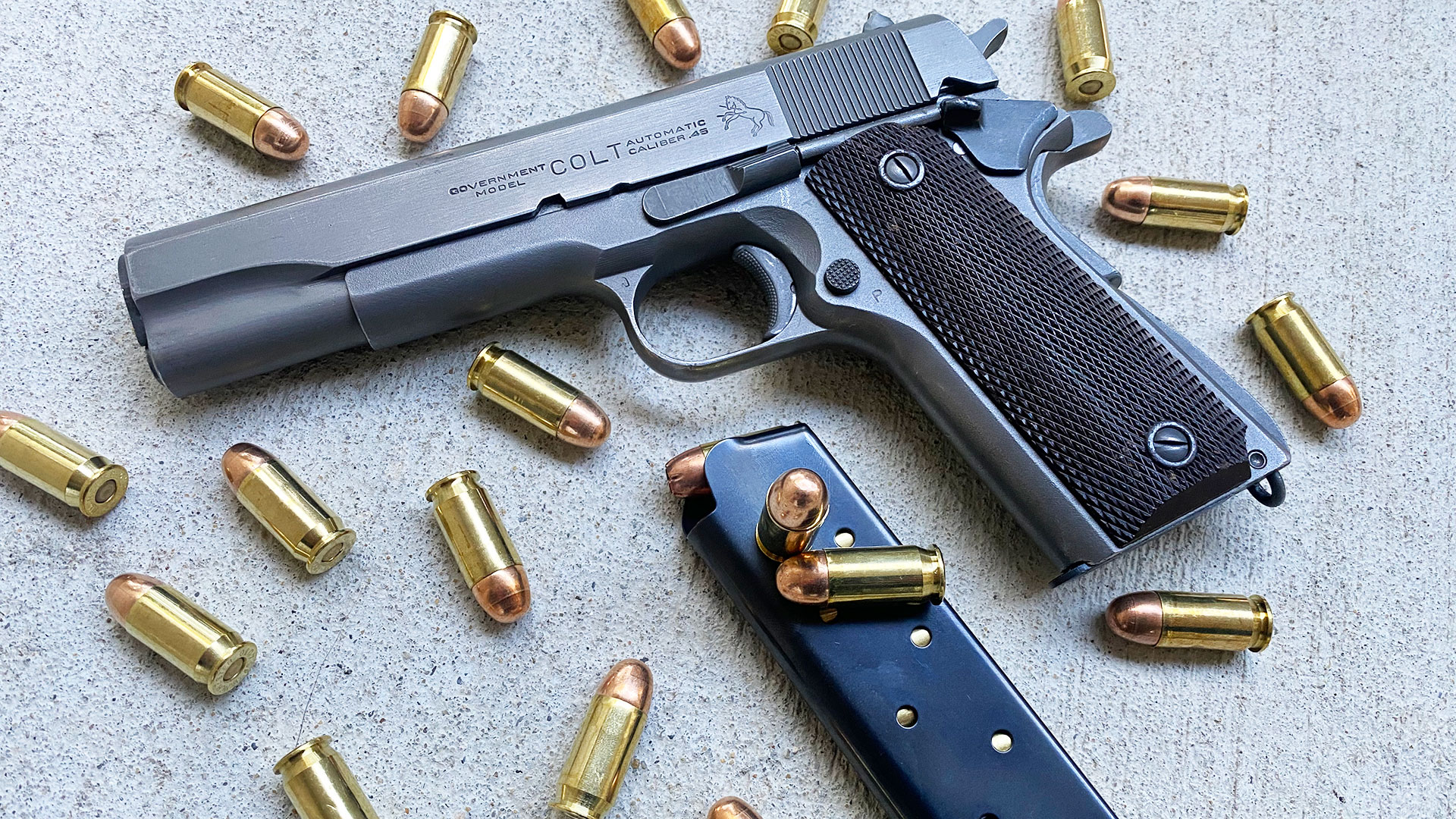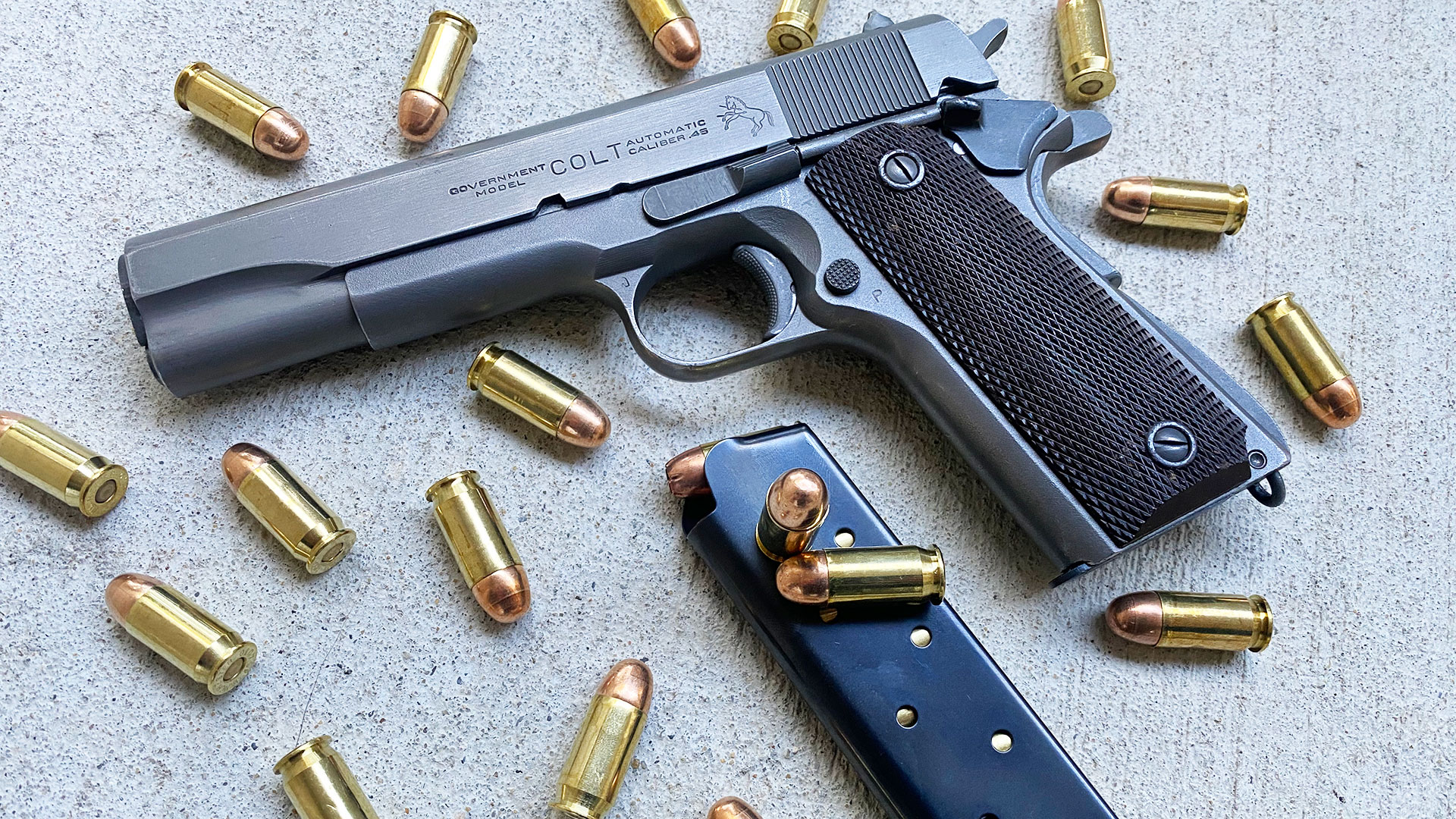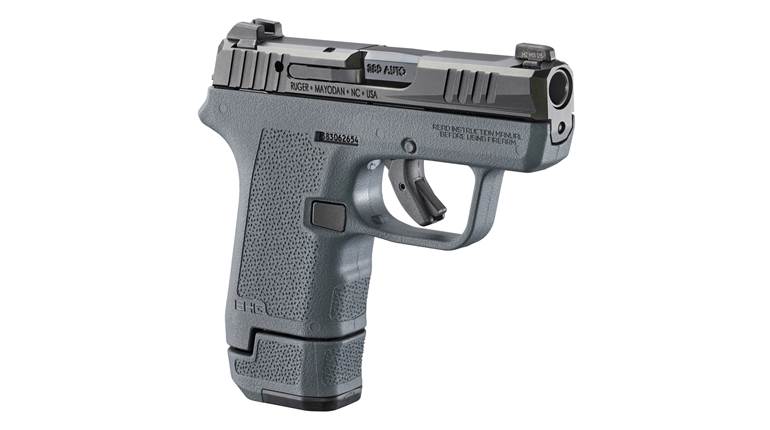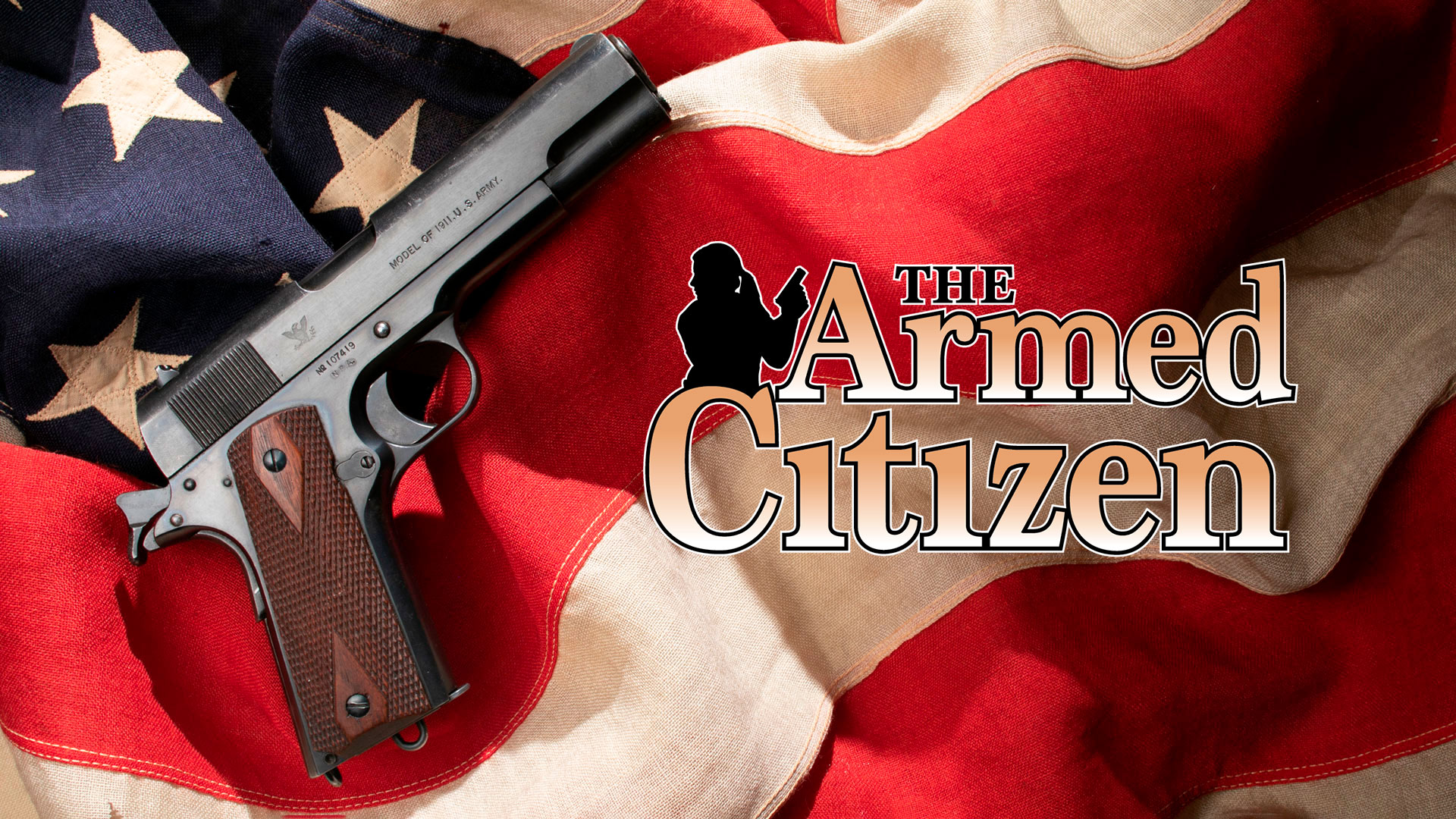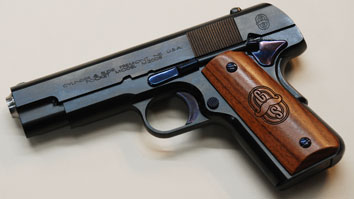
In the early decades of the 20th Century, a number of makers offered a new class of gun called the pocket pistol. These were among the very first semi-automatic pistols ever made and they attracted a great deal of attention. There were many makes offered—Browning, Beretta, Mauser, Walther, Astra Star, et.al., in Europe, but the American makes were fewer.
Americans saw S&Ws, Remingtons and Savages, but the most popular was the so-called Hammerless Colt. Actually, the sleek Colt guns of 1903 (.32 ACP) and .1908 (.380 ACP) were not hammerless in the pure sense of the word, because there was an internal hammer that was not visible. By any name, the easy-handling Colts were naturals for the large pockets of gentleman's attire of that period.
The .380 was particularly well-regarded and stayed in regular production until the beginning of World War II. Browning-designed the 1908 Colt and it was—and still is—a great little gun. It is sleek, carries easy and shoots well. The lines of the gun are classic, even if the modest power of the .380 cartridge makes it marginal in stopping power.
Bill Laughridge, the genial proprietor of Cylinder & Slide in Fremont, Neb., is a longtime fan of this great little auto. But he's a practical guy who makes a good hunk of his gunsmithing business on custom 1911 .45s. He has developed a new creation in the form of a 1911-style .45 with the major features of the old pocket hammerless Colt. He calls the gun M2008 Historical Pocket Model 45 ACP.
These are not pistols modified from ordinary 1911s. They are custom guns, built one at a time with custom parts. Almost all of the sleek styling of the original little pistol is there in this new one. Beyond any doubt, the feature that is the most immediately noticeable is the rounded shape at the rear of the slide. It caused the gun to be called a hammerless in the old days, but that was not quite right. There was a hammer (with no spur) inside the mechanism. So it is with the new gun, which is larger by a good bit to accept .45 ACP cartridges.
Is there any practical value to this pistol? Of course there is—it is a sound, very well-made gun that should conceal and otherwise perform very well. But at over three grand apiece, I doubt if you will see hundreds of them in real use. That consideration is economic and not functional. The point is simply that a very savvy gun guy went way out of his way to build something that has a very high co-efficient of cool. Way to go, Bill!
Most Popular