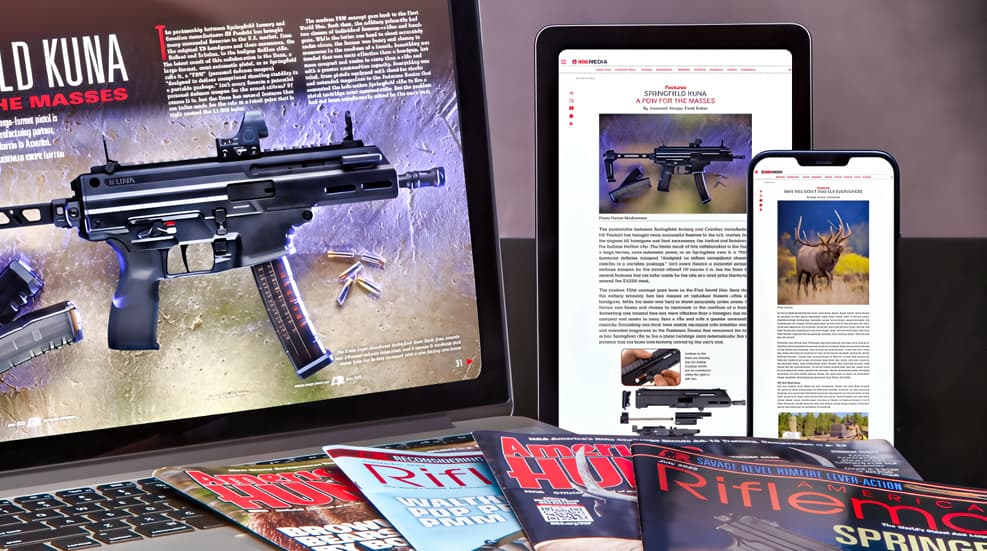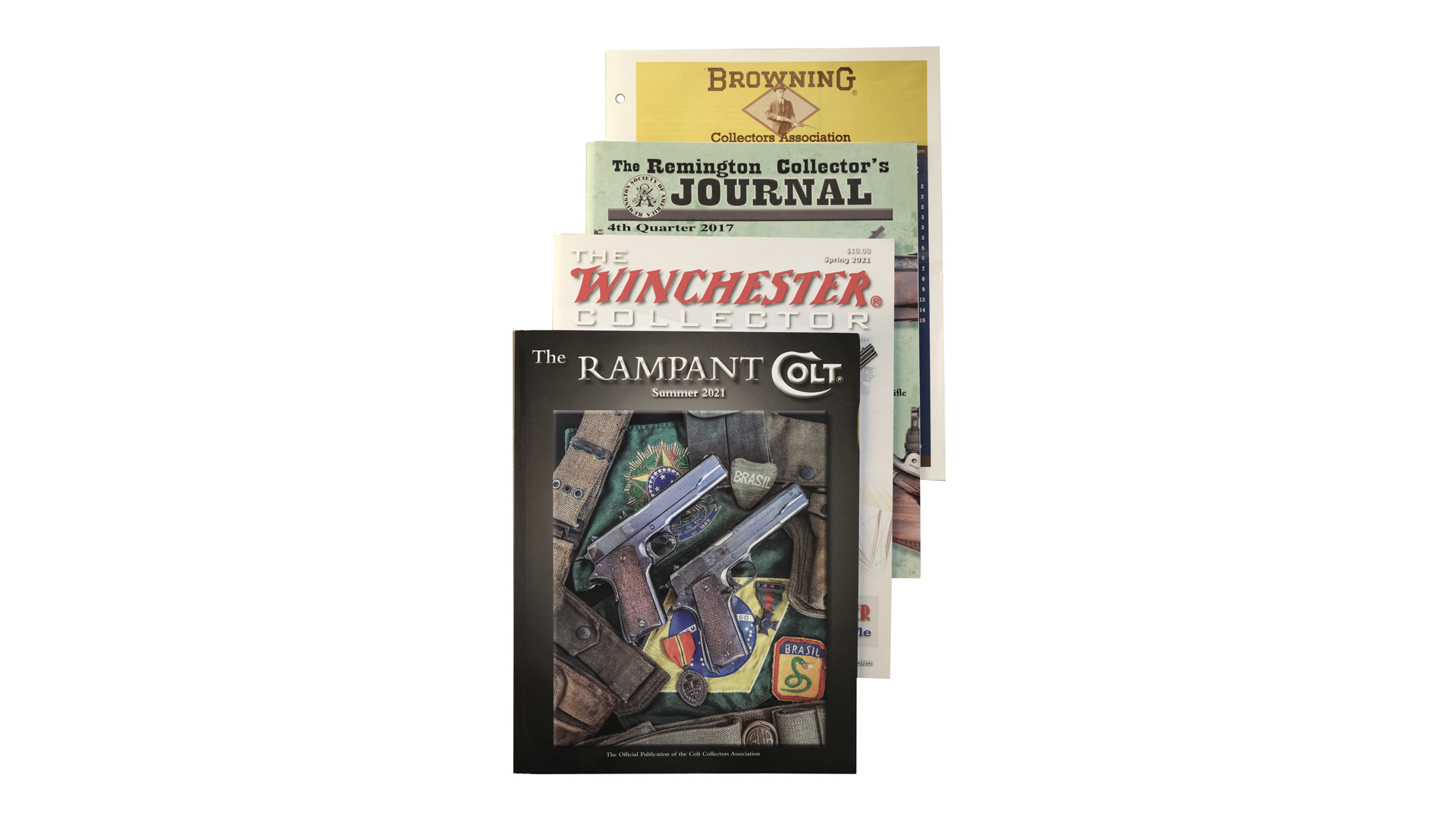
Collector associations publish a variety of periodicals from high-end magazines to color newsletters (above). While these groups do benefit from manufacturers’ involvement, the level of support for producing these publications varies extensively. In most cases, the work is performed by a small core group of dedicated enthusiasts whose motivation is the preservation of the association and history. Some manufacturers contribute to the financial burden of printing these publications, but most often, the costs are settled by membership dues. Most of the collector associations would benefit from more manufacturer involvement and support, especially advertising. Exposure on manufacturers’ websites and ads would make a significant impact and ensure that these associations can survive financially.
Collectors are without doubt the most passionate and active buyers of guns and accessories, and yet this segment of the gun market is often overlooked and ignored by modern-day manufacturers.
The misconception that many company executives and marketers share is that collectors only buy old, discontinued products that do not generate profits. Some even view collectors as nuisances who consume time and resources with inquiries on products that nobody can or cares to answer.
The better companies realize that it cannot look to the future by ignoring the past; these companies either have a historian on staff or access to a historian for their customers. A historian is different from an archivist who just pulls data without much insight on the item itself. Good historians usually work with a network of experts on specific models and readily use reference literature or books and anything to help the customer advance their knowledge.
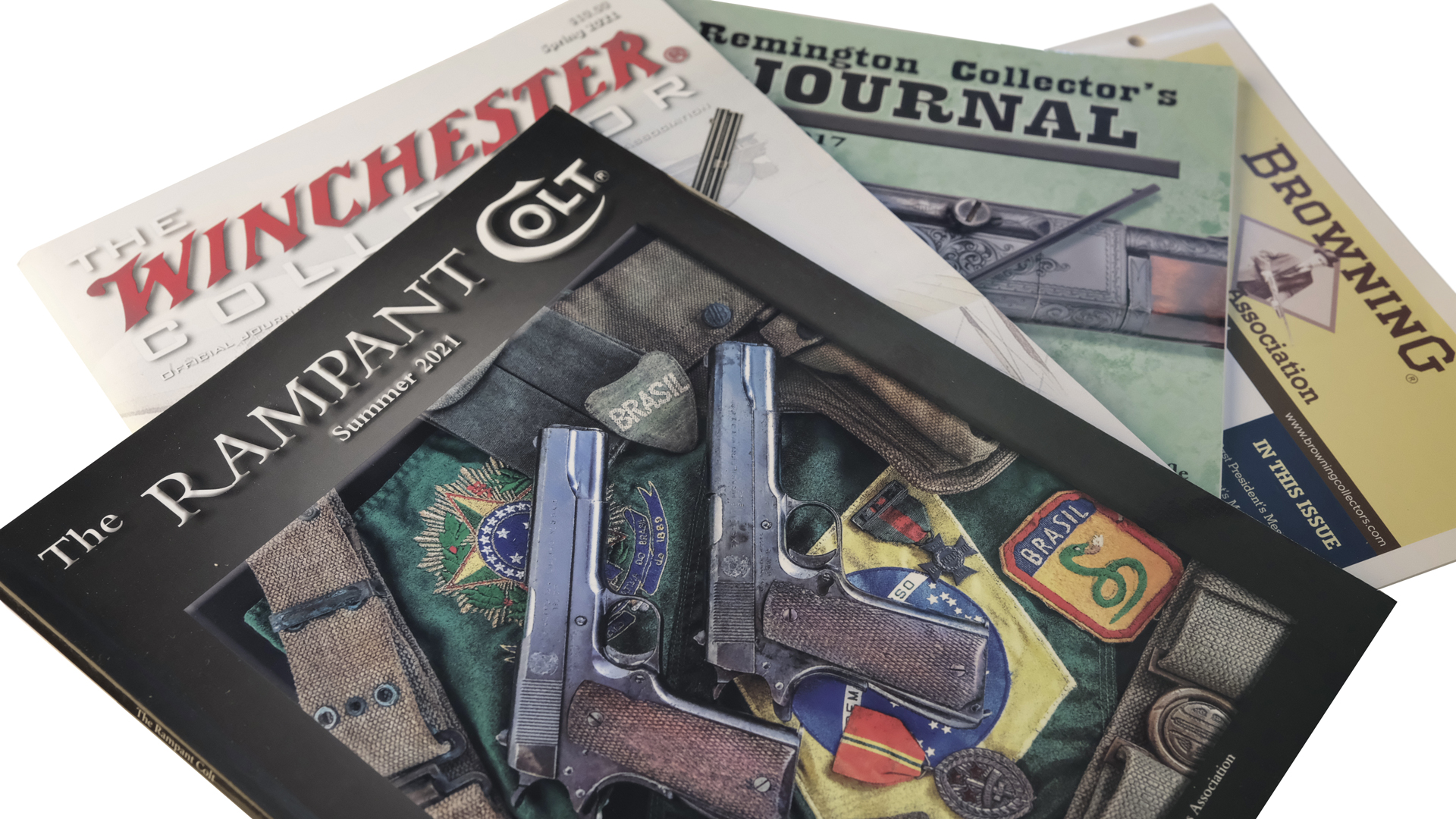 Collector associations publish a variety of periodicals from high-end magazines to color newsletters. While these groups do benefit from manufacturers’ involvement, the level of support for producing these publications varies extensively. In most cases, the work is performed by a small core group of dedicated enthusiasts whose motivation is the preservation of the association and history. Additionally, many articles cover a level of detail that is not commonly found in other periodicals. These editors have the luxury to focus on the minutiae of the history and guns they cover. The accumulated knowledge that resides in these groups is unique and can not be found anywhere else. Photo courtesy of author.
Another effective way to service collectors is for companies to back their own official collectors’ association: an outlet for collectors to communicate with fellow enthusiasts and get answers to their questions. Not only do these associations help collectors, these are also great venues for the companies to market new products, and benefit from free advertising to a core group of brand loyalists.
There is a direct correlation between customer satisfaction and brand loyalty when a company facilitates access to its historical information. What so many manufacturers fail to comprehend is that collectors also buy and recommend modern products. Bottom line—ignoring collectors has a serious negative impact on brand loyalty and sales.
Historically inept companies are those that dismiss questions and just delegate inquiries to their marketing department and customer service representatives. Nothing will irritate a collector more than a customer service rep parroting some incorrect information from Wikipedia! A customer will usually reach out to the company as a last resort, usually after having exhausted common resources like the Internet.
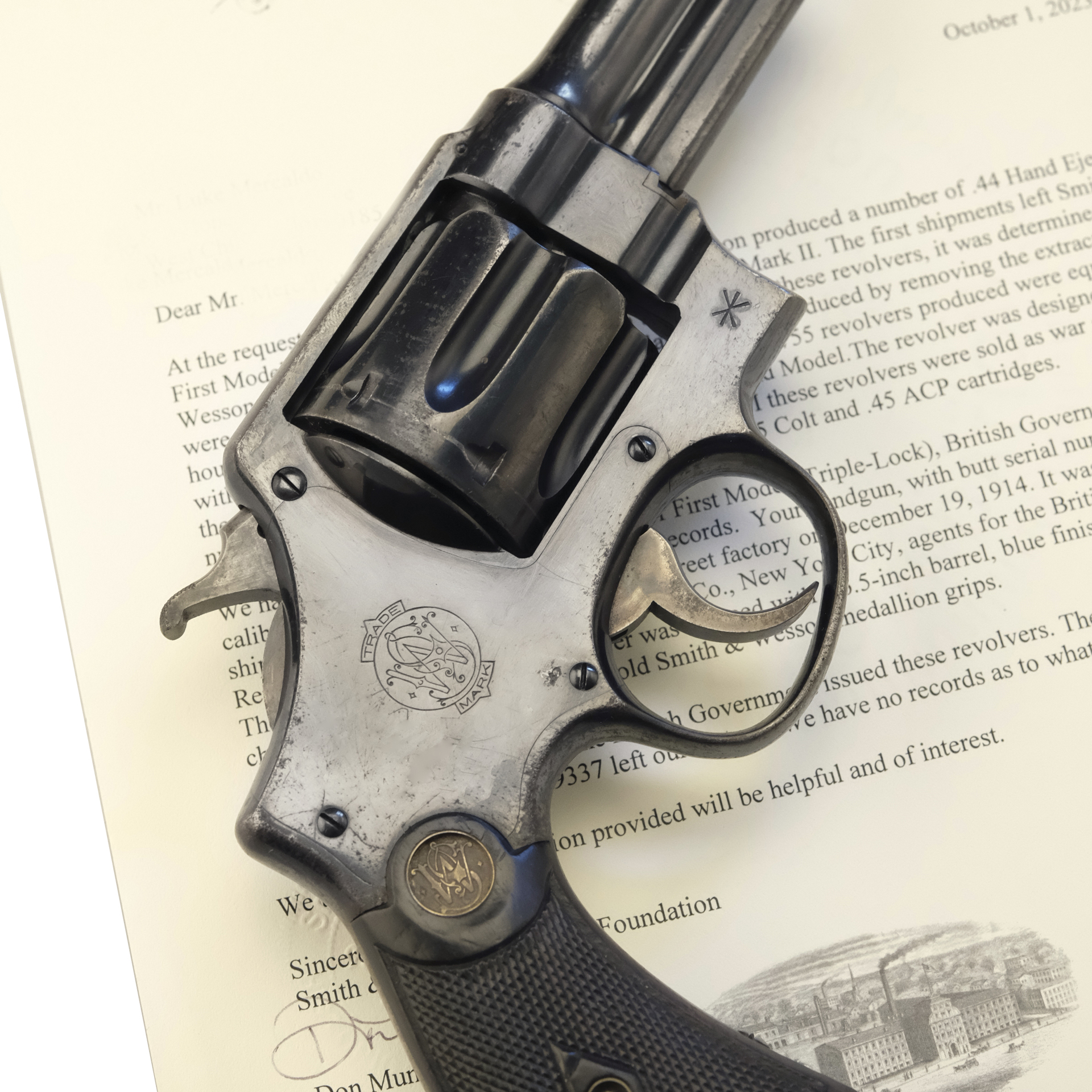 Manufacturers that employ a historian or archivist usually offer historical letters. Here, too, letters vary in content where the historian likely expands on details of the gun and the shipping record. Archivists are usually more to the fact, listing the date and destination without adding historical context. No matter how the letters are structured, factory letters are great assets for collectors as they add provenance and value to the relic. The work and time involved in researching a particular firearm should never be underestimated. Obtaining a letter can be costly and time-consuming but rewarding in the end. Photo courtesy of author.
Many corporate marketing and public relations professionals start their career with gun manufacturers thinking that historical topics are easy, just to be faced with the reality of complex subjects and educated consumers whose inquiries can not be easily dismissed. This quickly turns to frustration for those professionals tasked to “just deal with it” and often results in ignoring inquiries and dismissing customers. All this results in negative customer service experiences.
Another pitfall for manufacturers is the re-introduction of legacy products in order to capture collector sales. Reintroducing a discontinued product can be successful, but often the manufacturer does not make the effort to research what made the model an initial success. Collectors can be finicky; paying attention to materials and finishes. Even the fonts used and location and style of the markings are crucial. Modernizing a vintage design further complicates the matter with what are acceptable improvements, and what collectors deem ridiculous and flat-out reject.
 Some vintage guns have reached astronomical values on the collector market. It remains puzzling why some original manufacturers continue to ignore its own Legacy products. Interestingly enough, some companies that were not the original manufacturer see the market potential of legacy guns. Such is the Tisas M1911A1 U.S. Army, a clone of the U.S. military M1911A1. This model may not appeal to pure collectors, but the Tisas has its niche market with young and budget-minded collectors, or individuals who do not want to shoot a valuable original but want to experience the period configuration. Photo courtesy of Paul Fitch.
Enthusiasts collect for a wide variety of reasons: love of history, design elegance, manufacturing craftsmanship, and the art of engraving, are only a few of the common appeals. Collectors are passionate people and understanding this passion can be exceedingly difficult for those who do not share this interest. Collecting is exceedingly personal, and understanding this requires a level of finesse.
The collector community does not expect manufacturers to know everything about its history and products, but collectors certainly enjoy and support those that do recognize and cherish history.