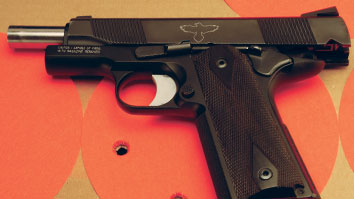
Double Tap Denied

by
posted on November 10, 2010
** When you buy products through the links on our site, we may earn a commission that supports NRA's mission to protect, preserve and defend the Second Amendment. **
2010111093630-doubletapdenied_ms.jpg

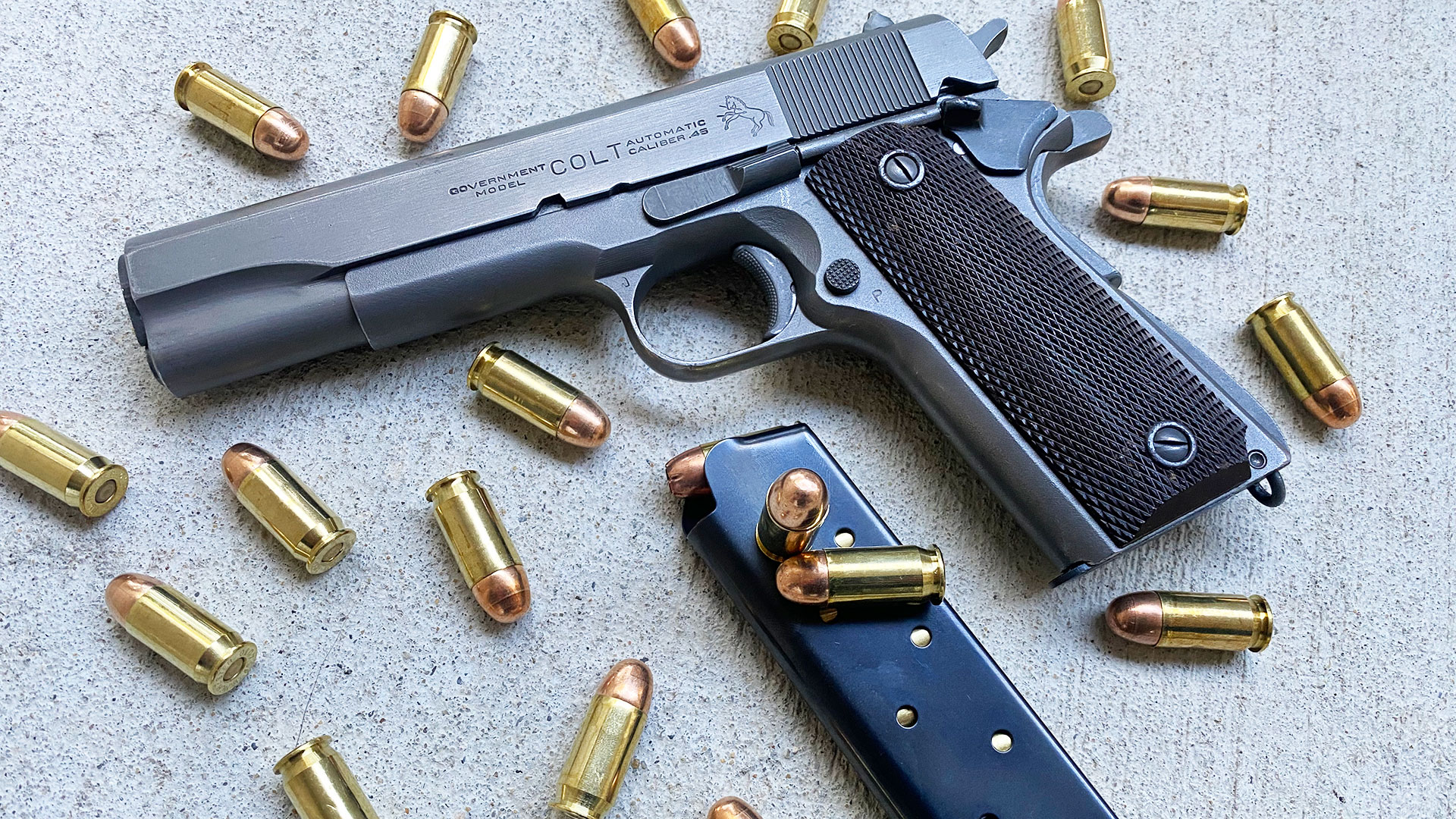
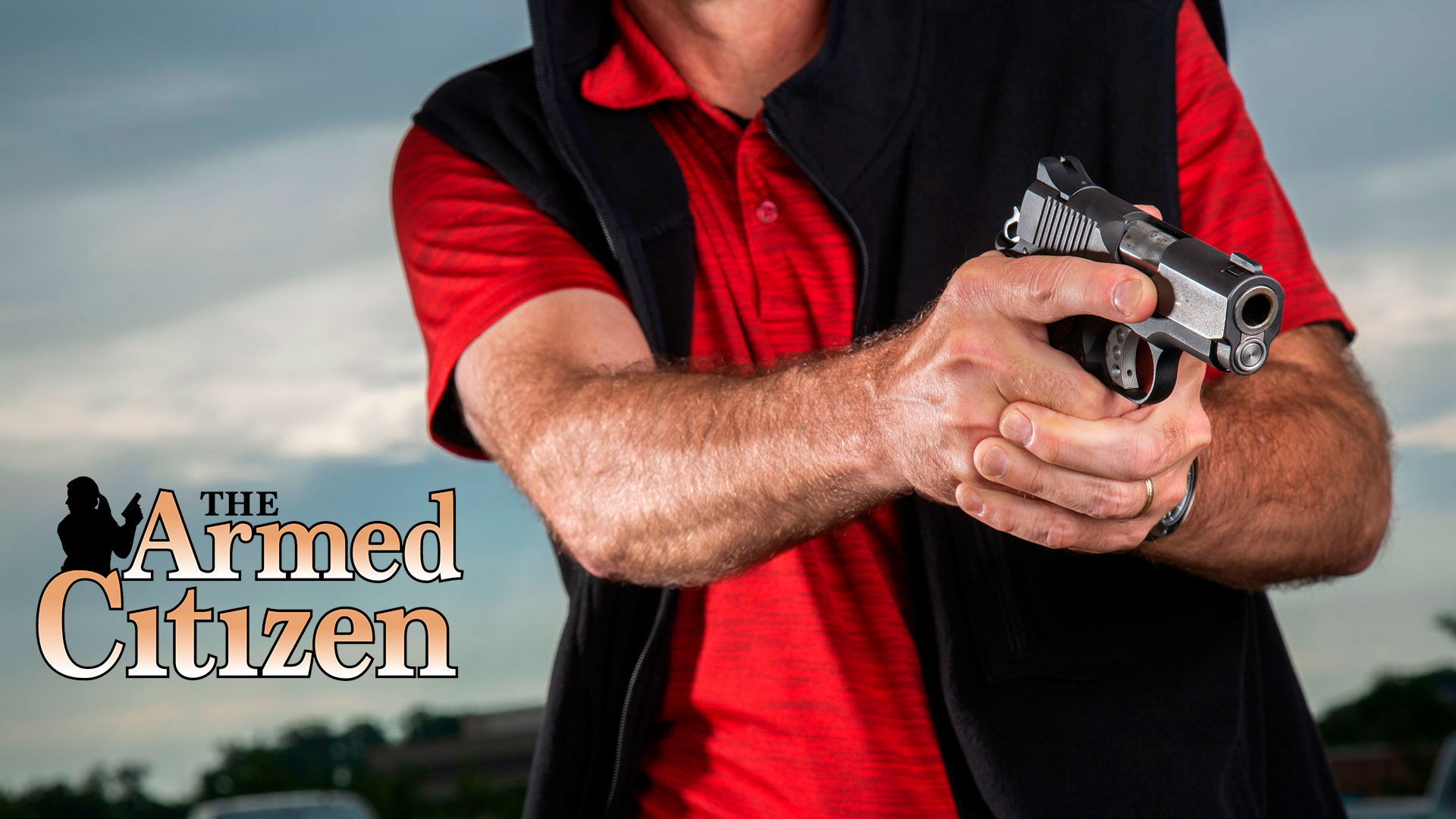
“Double Tap” is a slang term that I don't believe has a precise meaning. They don't use the term at Gunsite, which has been teaching for a long time now. Most commonly, I believe it means two fast pistol shots.

Similar terms which do have precise meanings are “controlled pair” and “hammer.” But some students of this combat shooting business are now suggesting that the very idea of delivering two shots to the target—whatever you call it—is fallacious teaching.

They argue that programming shooters to perform this technique may be wasteful of ammunition, because one shot may very well get it done. More, they contend that it is better to teach the student to shoot until the threat is resolved. That is a very good point and one with which I agree in principle. However, I also believe that what you should do in a life-threatening emergency is never simple.

Since a handgun of any caliber is the worst possible firearm for personal defense, but nonetheless the only one you may have with you in an emergency, its use should be optimized. For that reason, I argue that every beginning shooter should develop the ability to deliver two fast shots to the center of mass as a basic response.

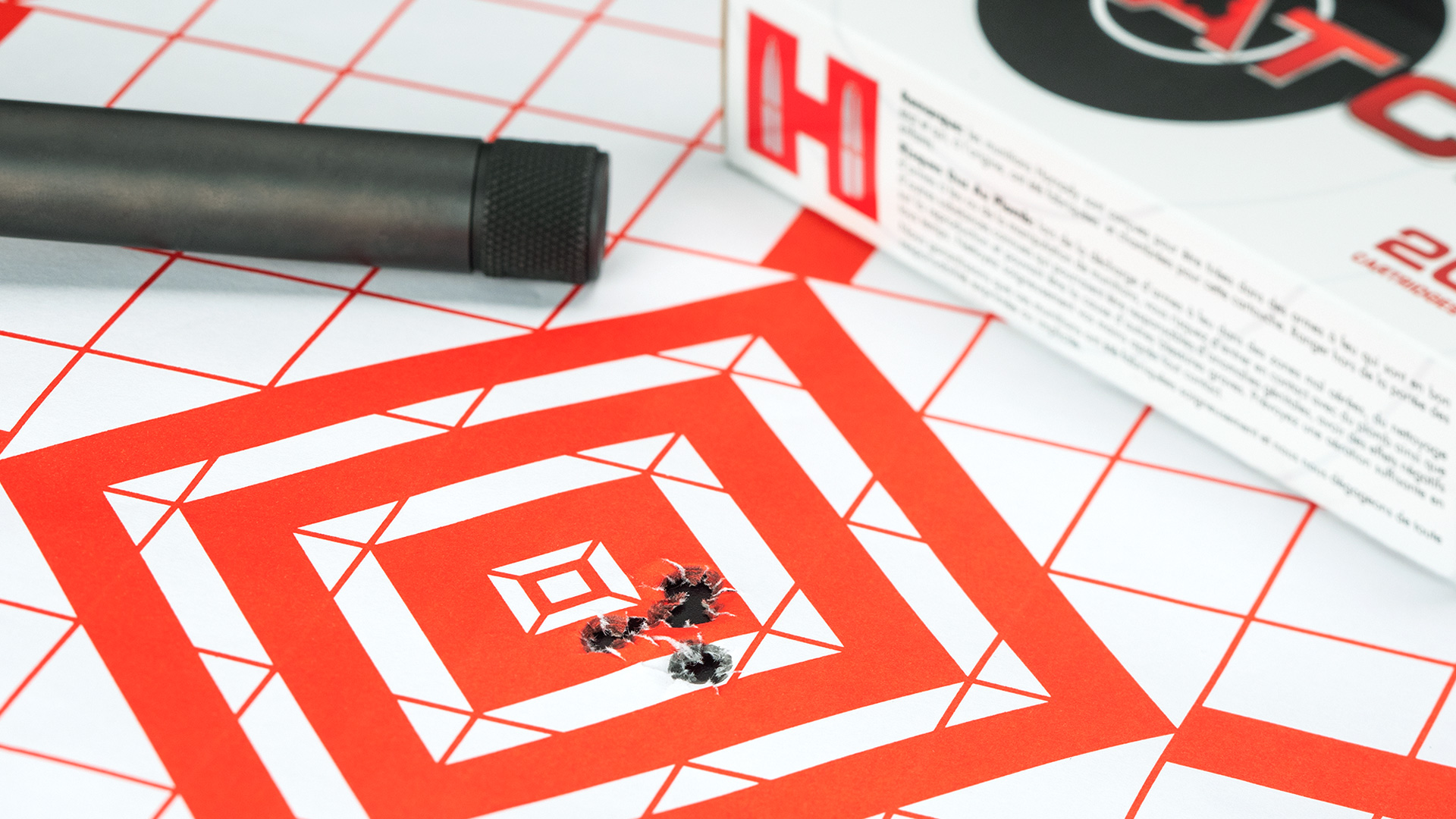
It can be demonstrated that two shots more than double the terminal effect of a single one. If more are needed, two more is not out of the question, but the general rule is two shots per customer. It isn't done to increase the possibility of a hit, but rather to increase the probability of stopping the fight quickly.

Latest

Federal 7Mm Backcountry Rifleman Review 2

Federal Signs Agreement With U.S. Army to Improve Ammo Performance

Federal Ammunition announced this week that it has entered into an agreement that allows the U.S. Army to utilize its patented Peak Alloy ammunition case technology for use in multiple cartridges and weapon systems.

Four Armed Citizen Stories That Tell us a Lot

Each self-defense case is different. As we read them, we find ourselves wondering what we would have done, and then asking if the citizen made the best decisions possible in the worst-case scenario.

The Three Rs of Performance Shooting: Rise, Return & Realignment

Way back in the day, the three Rs of learning were colloquially known as "Readin’, Rightin’ and Rithmatic." In today's modern performance shooting, the three Rs become Rise, Return and Realignment, the core mechanics of recoil control.

Subsonic Ammo 101: Everything The Suppressor Shooter Should Know

Slower-than-sound rounds are an art as much as a science. For target shooting, bullet upset is not important, but if you’re using subsonic loads for hunting or self-defense, it becomes critical.

I Have This Old Gun: Model 1874 Gras Rifle

Following the Franco-Prussian War of 1870, the French military were in desperate need of a new service rifle. Their answer was the Model 1874 Gras, which was largely an update to the earlier Chassepot design.

Compact & Quiet: CMMG's ZEROED Banshee

CMMG has expanded its Banshee line of AR-style rifles with the ZEROED, a firearm that is optimized for suppressor use.

Interests


Get the best of American Rifleman delivered to your inbox.