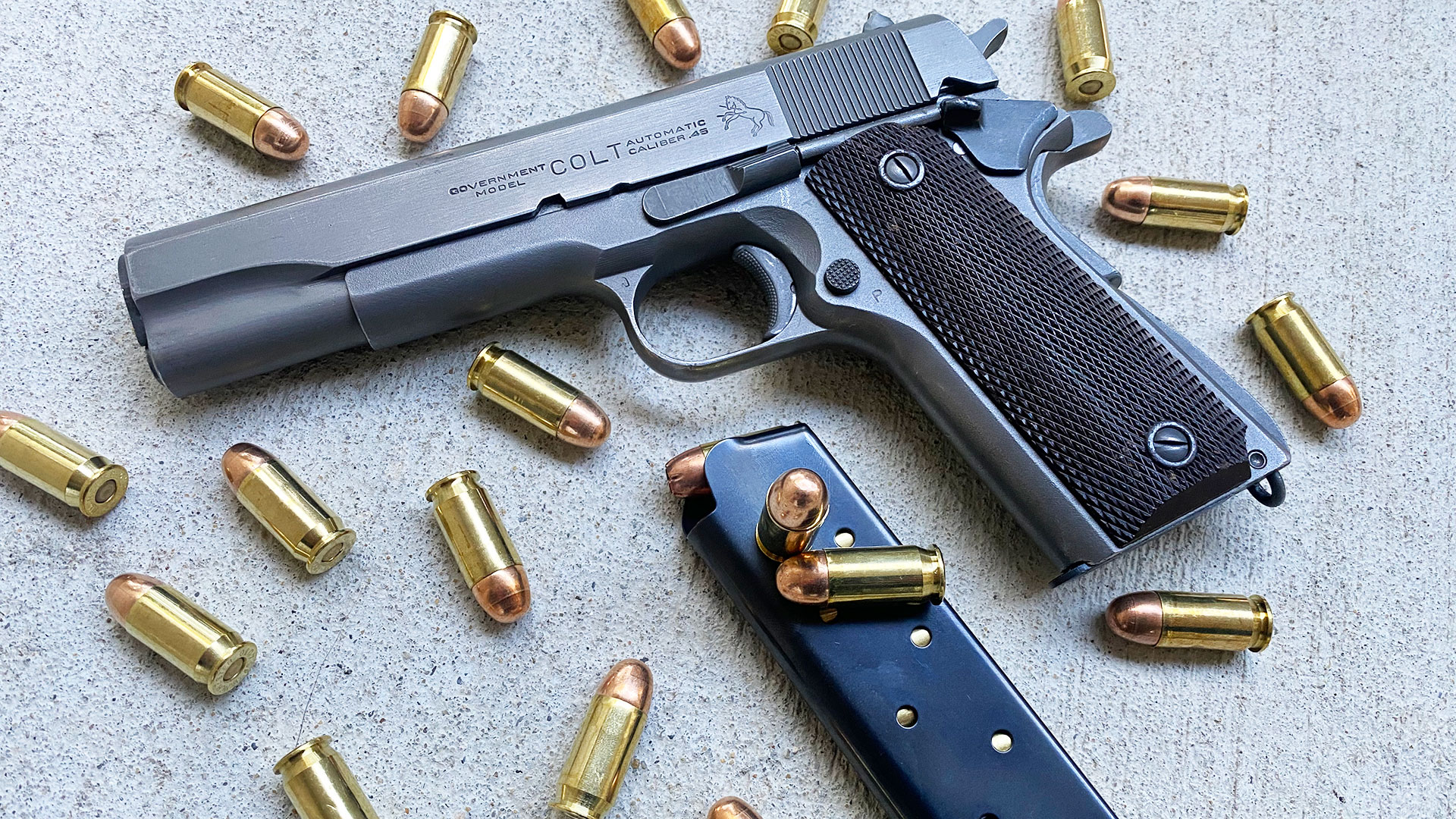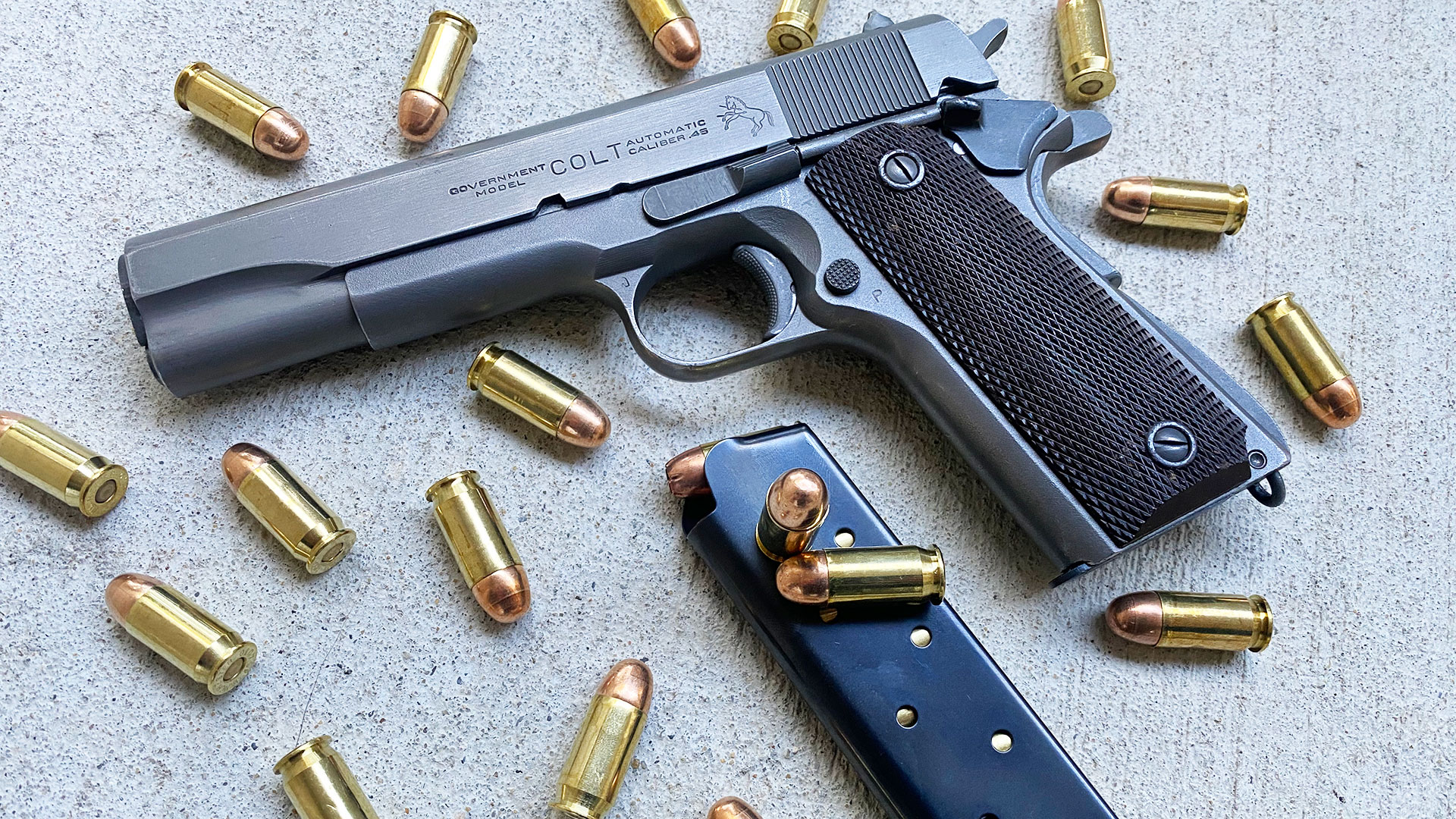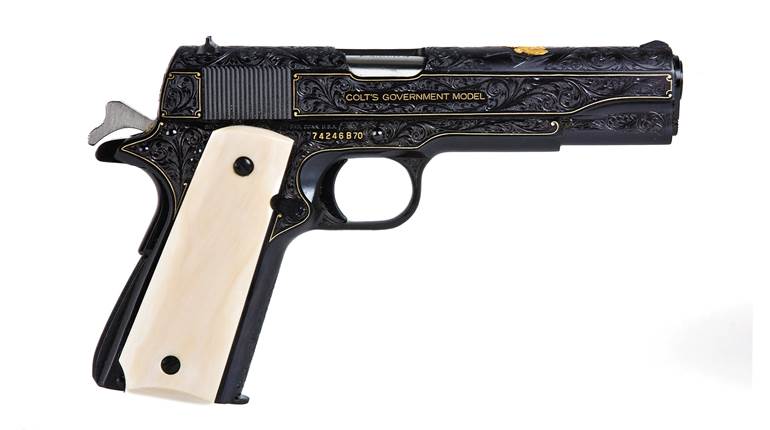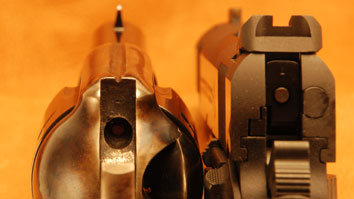
I have always been interested in handgun sights and, in the past few years, have been fortunate enough to get to experiment with a variety of different types. It's really amazing what was once factory-installed as a so-called “target” sight. I believe that iron sights intended for target shooting should be large enough to be seen in the changing light conditions of a long and arduous day at the range.
Having handled some of the target revolvers of the turn of the century era, I am amazed at the miniscule little lumps of metal that passed for sighting equipment for the likes of Ira Paine and Walter Winans. Fortunately for today's shooters (at least the ones who are not using optical devices), sights have evolved to something a little larger and a lot better.
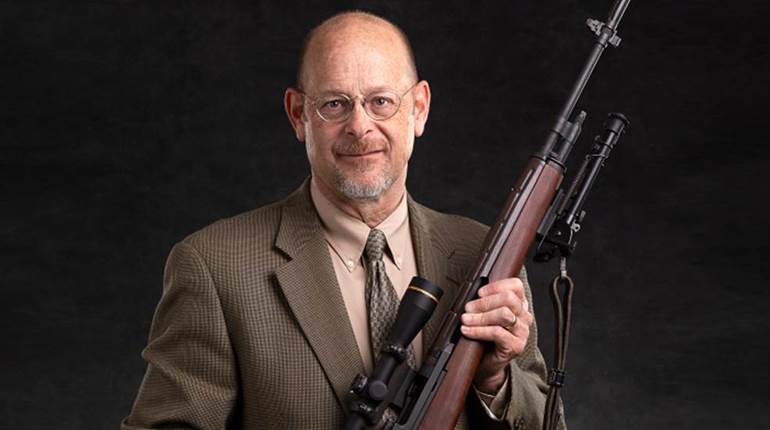
I have credit Jeff Cooper with crystallizing thought on the matter of gun sights. In his extensive writings, Col. Cooper often commented that stock handguns had a lot of room for improvement in the size of sights. He had tried many combinations over the years including various sizes, shapes and colors. In the end, he was pretty well certain that the best all around sight system was a plain black post front and an appropriate square notch rear. Some of his various sight experimentations can still be found on guns in his armory—like a long-barreled Model 29 .44 Mag. with a red ramp front sight.
There is still use for fast-to-use sights for close crisis shooting. The XS system, with its wide, shallow “V” and huge white dot is an example. As originally conceived, the sight was simplicity itself, with a black rear and white front, and it worked very well. Again, this is a sighting system intended for fast work at close range. For more precise use, a square notch and post is a great choice. Just make sure the sights are big enough to see easily and without squinting into the sun like you’re a soldier in a John Ford western.
Most Popular