The last revolver I carried as a peace officer was a Smith & Wesson Model 581. That is a fixed sight gun, so it requires a little skullduggery to zero for windage. In this case, it wasn’t too difficult and I regularly qualified with the gun, even running the Colt Target PPC clean once or twice.
This happened a long time ago, but it got me to thinking about adjustable sights and whether or not they are worth the trouble. Millions of revolvers were made with adjustable sights during the time I was a cop, but at least as many without them were in use before I came along. Adjustable sights have lots of little parts that can break or come loose. If it is going to be used hard, you are probably better off to go with a revolver with plain fixed sights, as long as they are big enough to see.
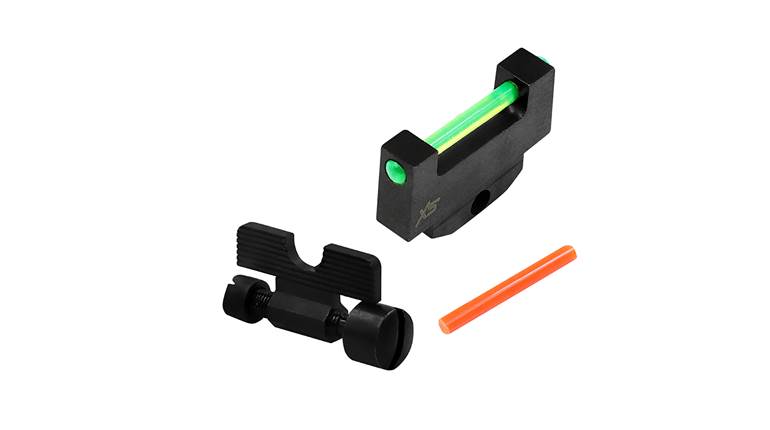
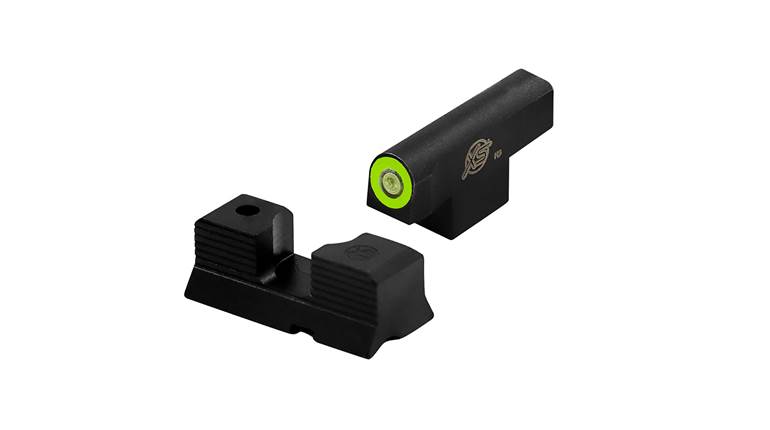
Automatic pistols are a little different because their iron sights are typically mounted in dovetail slots, rather than cut from the metal of the frame. There’s an important advantage to dovetail mounting a sight. It is instantly adjustable for windage, by simply tapping it to the right or left in its dovetail slot. Windage adjustments are seldom needed on a continuing basis, particularly after the first adjustment laterally centers the group. Elevation adjustments are a different problem. Changes in ammo, as well as other mechanical problems, sometimes force the shooter to come up or down a little. On a gun with dovetailed sights, the solution is a higher or lower front sight blade. I believe that changes in elevation are much more common on today’s pistol ranges than changes in windage.
For reasons of handling, Designer/Pistolsmith Wayne Novak came up with the original angled shape of the sight that bears his name. Of course, the main reason for developing the sight was to create a nearly indestructible system for aiming a pistol. Over 2 million have been made and they have been widely copied all over the world. Several years ago, Novak came up with something for those shooters who wanted to keep the classy contours of the original, but also have vertical adjustment capability. That sight in now available directly from Novak’s.
Most Popular