by
Support NRA American Rifleman
DONATE
** When you buy products through the links on our site, we may earn a commission that supports NRA's mission to protect, preserve and defend the Second Amendment. **
In this week's episode of American Rifleman TV, National Rifle Association's Larry Quandahl walks us through the NRA rules for safe gun handling. At its core, the NRA serves as a source of training and safety information for America's millions of gun owners, and the organization's safety rules are at the heart of responsible gun ownership.
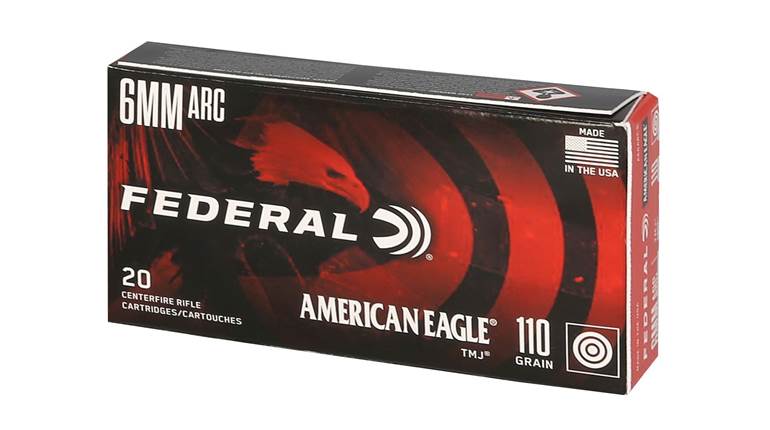
On "Rifleman Review," we take a look at the Hornady 6 mm ARC, which was developed for military use and enhances the capabilities of the AR-15 platform. On "I Have This Old Gun," we're examining the Degtyaryov DP-28, a unique light machine gun that formed an essential part of the Soviet small-arms arsenal during World War II.

The first rule of safe gun handling is "ALWAYS Keep The Gun Pointed In A Safe Direction." This is the primary rule of firearm safety. A firearm owner's common sense allows them to dictate the safest direction to point a firearm, depending on the circumstances.
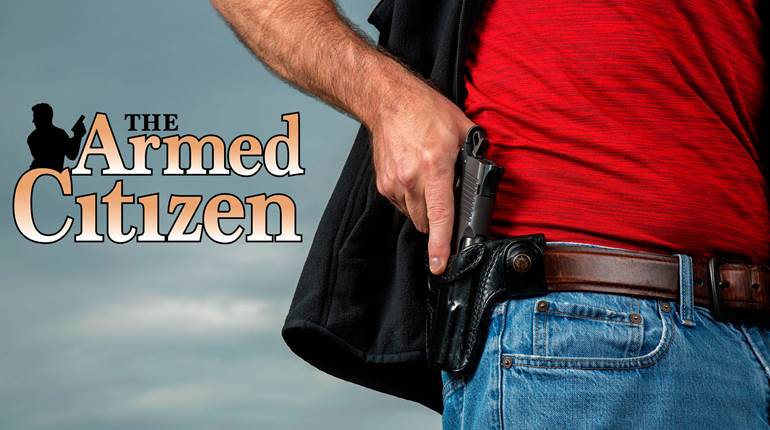
This golden rule is supported by NRA's second rule of gun handling: "ALWAYS Keep Your Finger Off The Trigger Until Ready To Shoot." When you're holding a firearm, you should keep your finger alongside the frame and outside the trigger guard until you're ready to shoot. Do not touch the trigger until you have your gun lined up on target and you are ready to fire.
Following on this, NRA's third firearm-safety rule is "ALWAYS Keep The Gun Unloaded Until Ready To Use." This is where common sense and responsibility require some level of know-how and experience with firearms. Responsible gun owners should be familiar with the procedures for safely clearing a firearm, as well as inspecting a firearm to ensure that it's clear. If you do not know how to open the action or inspect a chamber, then leave the gun alone and get help from someone who can.
There are additional firearm-safety rules that only enhance safe handling, but these three maxims are the golden rules.

Following the success of the company's 300 PRC round, Hornady was asked to create a round that could bridge the gap between 5.56 NATO and 7.62 NATO. Additionally, the round needed to be able to fit into a standard AR-15-length magazine, which meant that the overall length couldn't be more than 2.260".
Additionally, the round needed to be effective past 1,000 yds. when fired from an 18" barrel, and it had to have a magazine capacity similar to the M4 carbine. They also wanted reduced recoil while firing a round large enough that soldiers could see their impacts at long range.
Certainly, this was no easy task, but Hornady took up the challenge. The company's answer was the 6 mm ARC, and it brings new levels of capabilities to the AR-15 platform.

Trialed in 1927 and brought into general service in 1928, the Degtyaryov light machine gun, also known as the DP-27 or the DP-28, is one of the most recognizable small arms in the Russian arsenal of World War II. The gun first saw service during the Spanish Civil War, but it gained fame during its use on the Eastern Front of World War II as the Soviet army battled back the Wermacht in brutal engagements.
It is easily recognized due to its unique pan magazine, which sits on top of the action. It fired the standard Russian service cartridge of 7.62x54 mm R and had a rate of fire of 550 rounds per minute, significantly slower than the light machine guns employed in the German military. Despite some design limitations, nearly 800,000 were produced, and the gun saw service well into the 1960s.
To watch complete segments of past episodes of American Rifleman TV, go to americanrifleman.org/artv. For all-new episodes of ARTV, tune in Wednesday nights to Outdoor Channel 8:30 p.m. and 11:30 p.m. EST.
On "Rifleman Review," we take a look at the Hornady 6 mm ARC, which was developed for military use and enhances the capabilities of the AR-15 platform. On "I Have This Old Gun," we're examining the Degtyaryov DP-28, a unique light machine gun that formed an essential part of the Soviet small-arms arsenal during World War II.
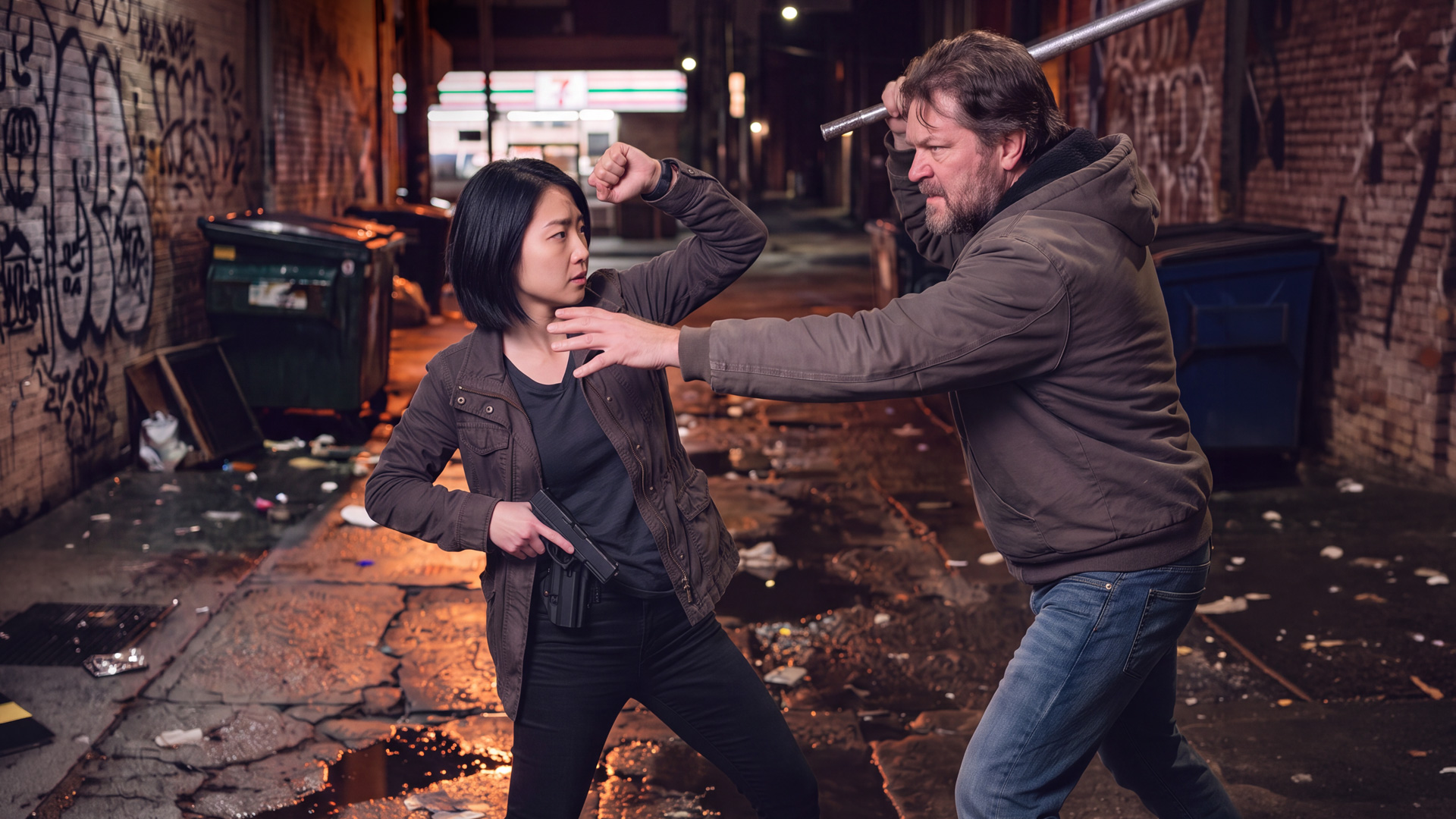
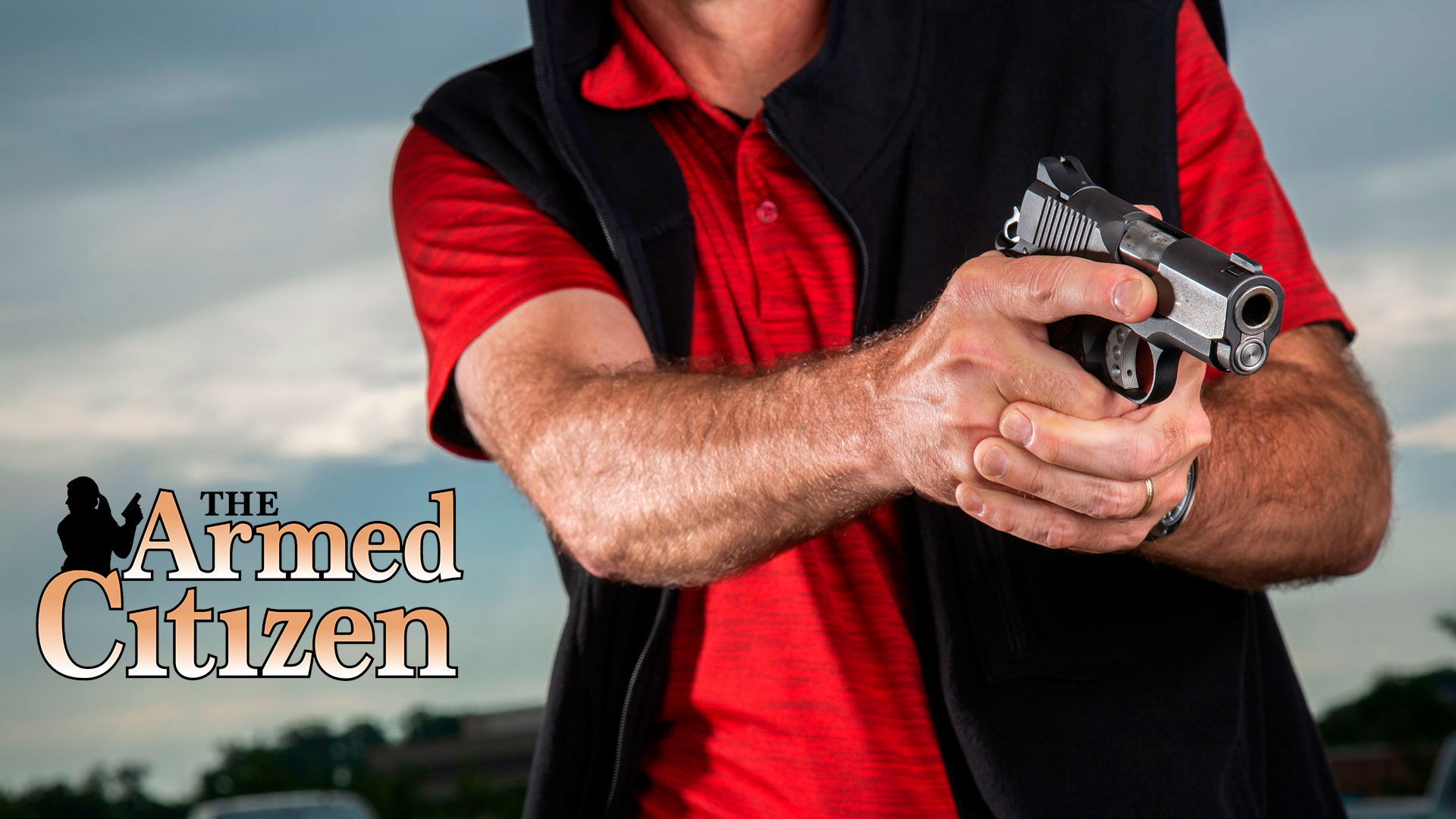
Per the rules of safe gun handling, the user must keep their firearm pointed in a safe direction and know what is behind the target.
The first rule of safe gun handling is "ALWAYS Keep The Gun Pointed In A Safe Direction." This is the primary rule of firearm safety. A firearm owner's common sense allows them to dictate the safest direction to point a firearm, depending on the circumstances.
This golden rule is supported by NRA's second rule of gun handling: "ALWAYS Keep Your Finger Off The Trigger Until Ready To Shoot." When you're holding a firearm, you should keep your finger alongside the frame and outside the trigger guard until you're ready to shoot. Do not touch the trigger until you have your gun lined up on target and you are ready to fire.
Following on this, NRA's third firearm-safety rule is "ALWAYS Keep The Gun Unloaded Until Ready To Use." This is where common sense and responsibility require some level of know-how and experience with firearms. Responsible gun owners should be familiar with the procedures for safely clearing a firearm, as well as inspecting a firearm to ensure that it's clear. If you do not know how to open the action or inspect a chamber, then leave the gun alone and get help from someone who can.
There are additional firearm-safety rules that only enhance safe handling, but these three maxims are the golden rules.
Following the success of the company's 300 PRC round, Hornady was asked to create a round that could bridge the gap between 5.56 NATO and 7.62 NATO. Additionally, the round needed to be able to fit into a standard AR-15-length magazine, which meant that the overall length couldn't be more than 2.260".
Additionally, the round needed to be effective past 1,000 yds. when fired from an 18" barrel, and it had to have a magazine capacity similar to the M4 carbine. They also wanted reduced recoil while firing a round large enough that soldiers could see their impacts at long range.
Certainly, this was no easy task, but Hornady took up the challenge. The company's answer was the 6 mm ARC, and it brings new levels of capabilities to the AR-15 platform.
Shooting the Degtyaryov DP-28 light machine gun.
Trialed in 1927 and brought into general service in 1928, the Degtyaryov light machine gun, also known as the DP-27 or the DP-28, is one of the most recognizable small arms in the Russian arsenal of World War II. The gun first saw service during the Spanish Civil War, but it gained fame during its use on the Eastern Front of World War II as the Soviet army battled back the Wermacht in brutal engagements.
It is easily recognized due to its unique pan magazine, which sits on top of the action. It fired the standard Russian service cartridge of 7.62x54 mm R and had a rate of fire of 550 rounds per minute, significantly slower than the light machine guns employed in the German military. Despite some design limitations, nearly 800,000 were produced, and the gun saw service well into the 1960s.
To watch complete segments of past episodes of American Rifleman TV, go to americanrifleman.org/artv. For all-new episodes of ARTV, tune in Wednesday nights to Outdoor Channel 8:30 p.m. and 11:30 p.m. EST.