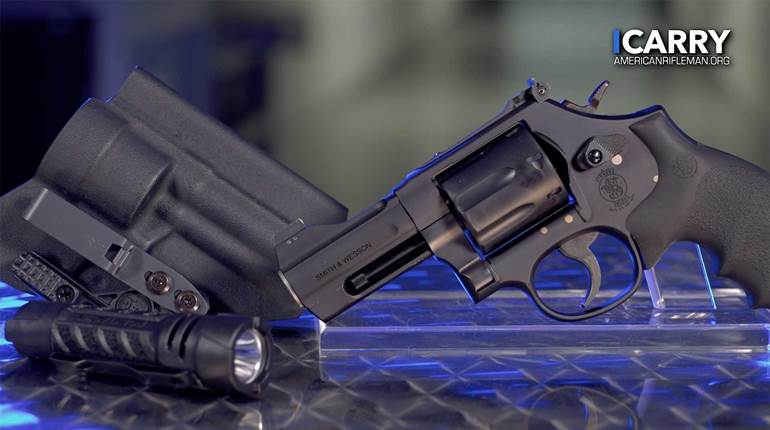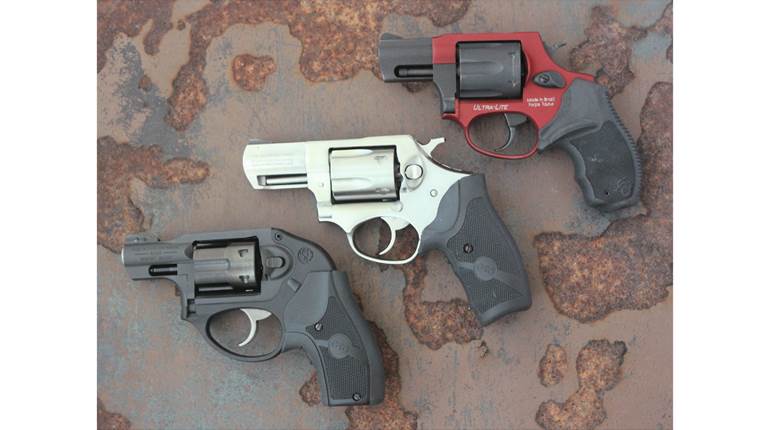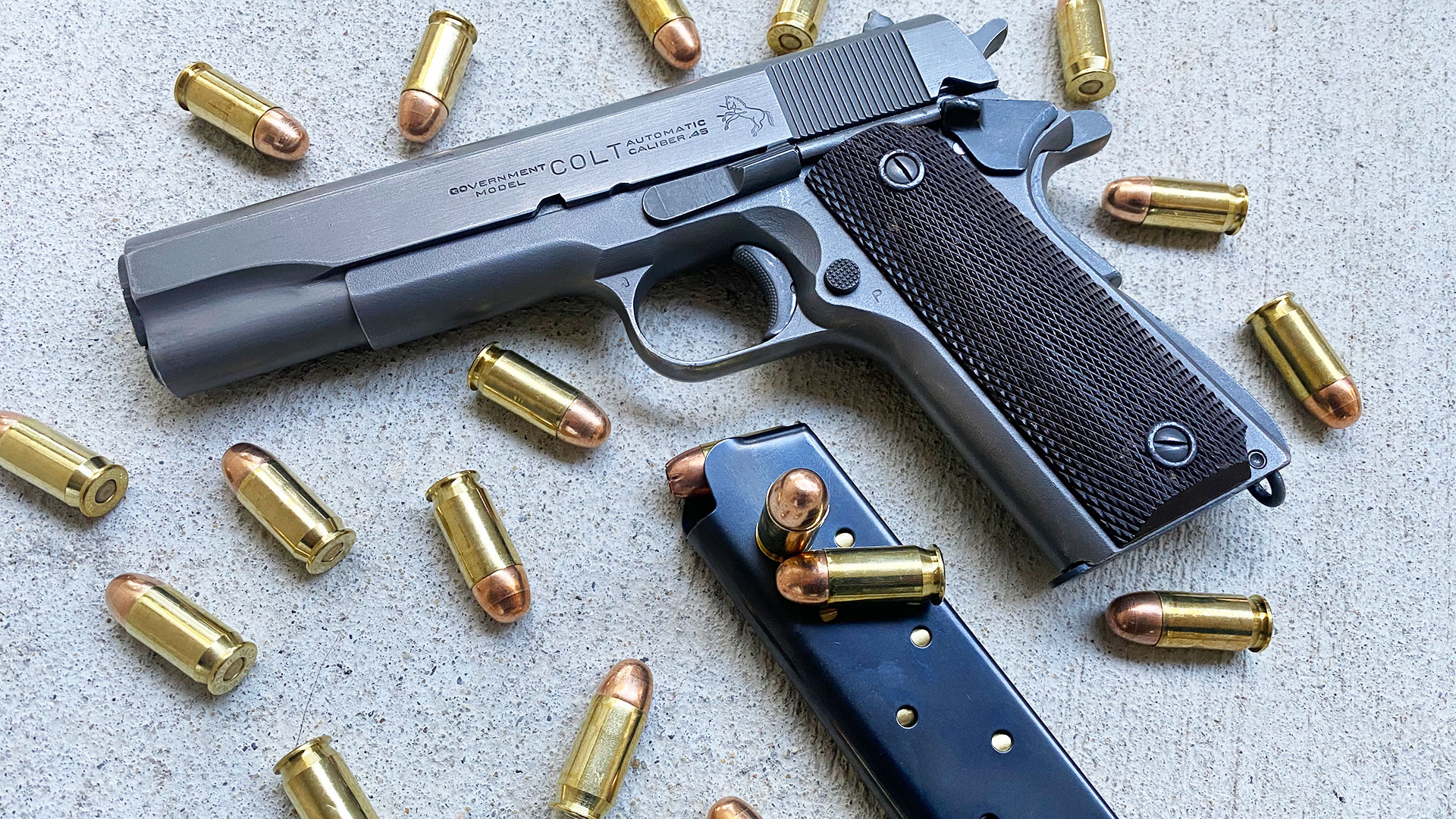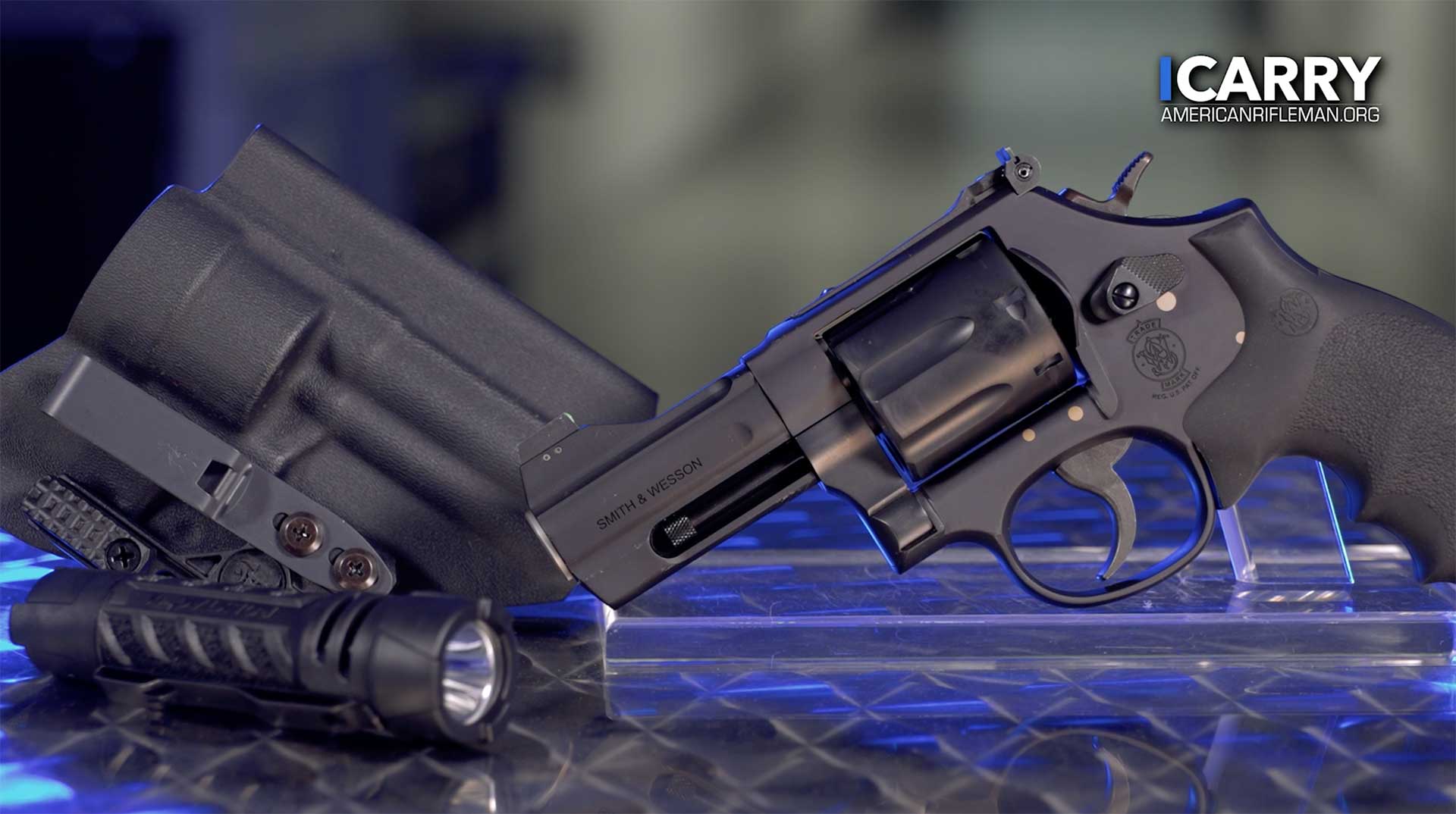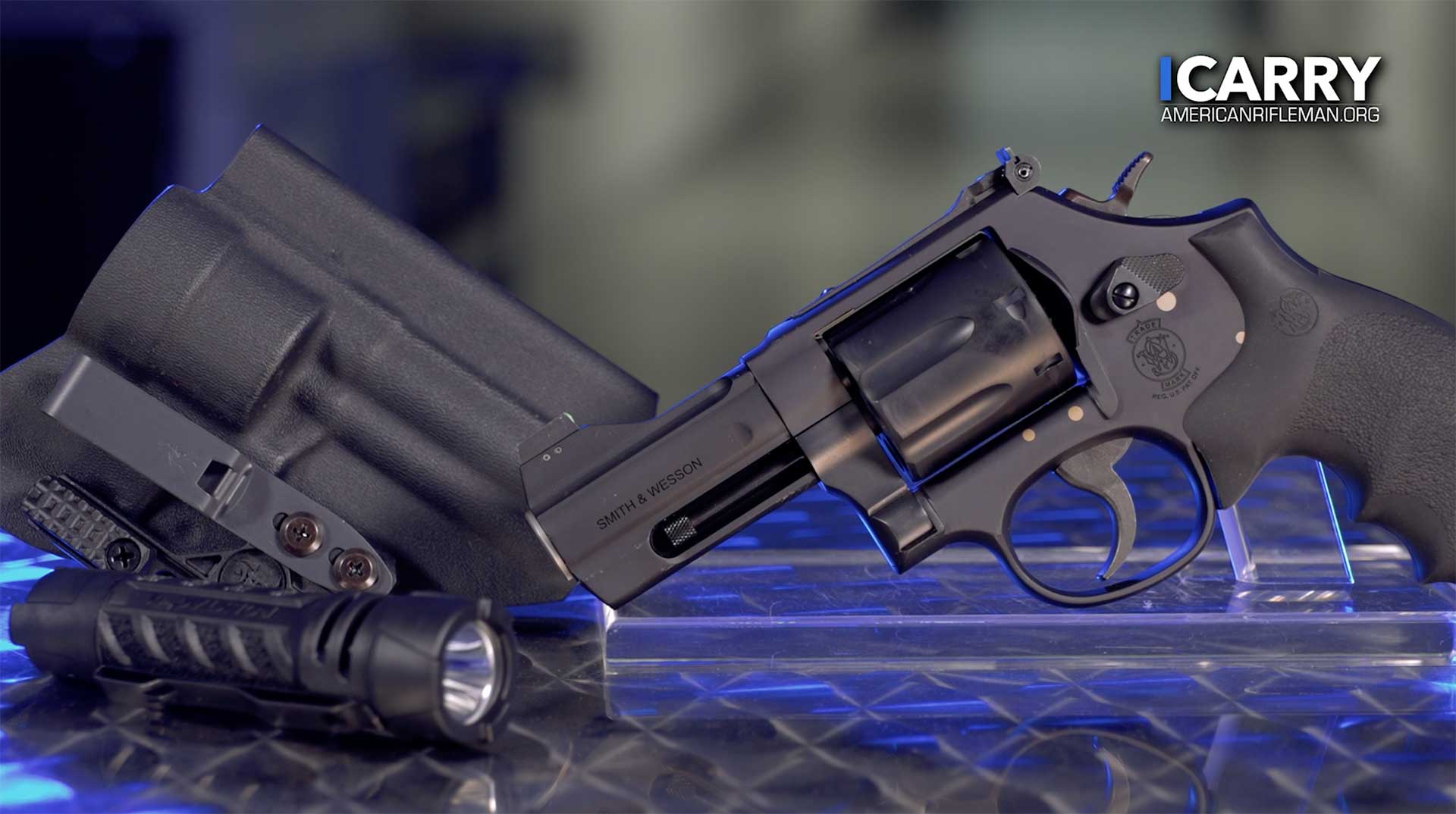
The first formal handgun training that I had was as a young police officer shooting the PPC with double-action revolvers. That was a pretty good course of fire and it taught us the importance of trigger control and obtaining a good sight picture. However, it had several drawbacks in terms of teaching us to fight with a handgun.
The biggest drawback was in the way we reloaded our guns. The commonly accepted method was to bring the gun down to waist level to reload either from belt loops or with a speed loader. At the point that the shooting line went to the reload, it looked like everyone was contemplating his navel. With a little practice, a fellow could get pretty fast using this method to reload.

The problem was in the tactics of it. By bending over to reload, one loses a good bit of his peripheral vision. Now this is not much of a problem in a pistol match, but it can be an issue in a more serious situation. You simply have a much more difficult time keeping up with what is going on around you when looking down to reload. One thing is for certain: a threat is not going to stand there, facing you like that old B27 target does at 15 yds. The threat is going to be moving and, with your head down, you probably don’t know where he has gone.
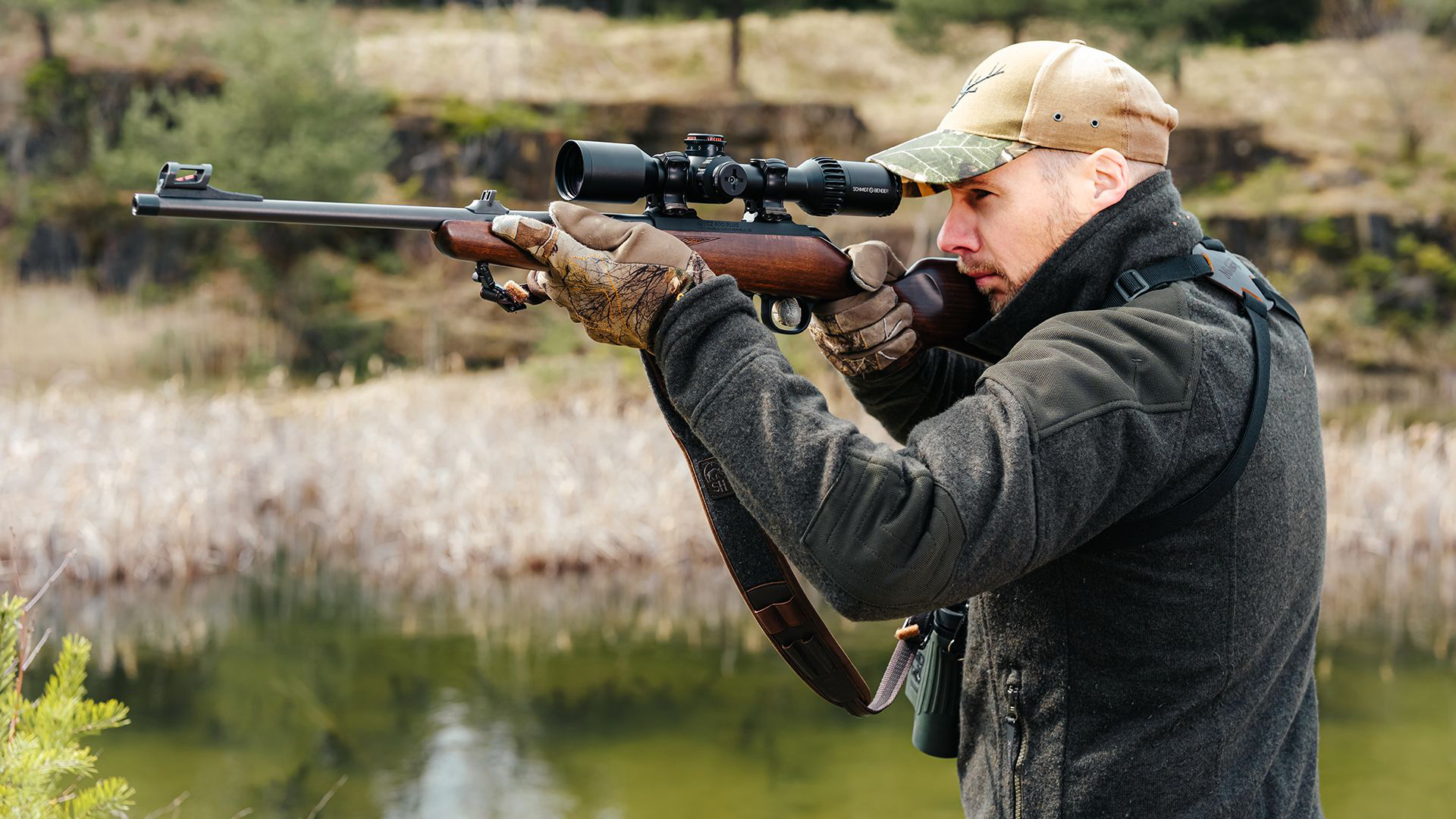
It is the same problem that the hunter has when he lowers his rifle to chamber another round, and does so while looking down at the rifle. He will lose sight of the game animal. Maybe the animal is down, or maybe it has escaped. Turning attention away from the target opens the situation to these chances.

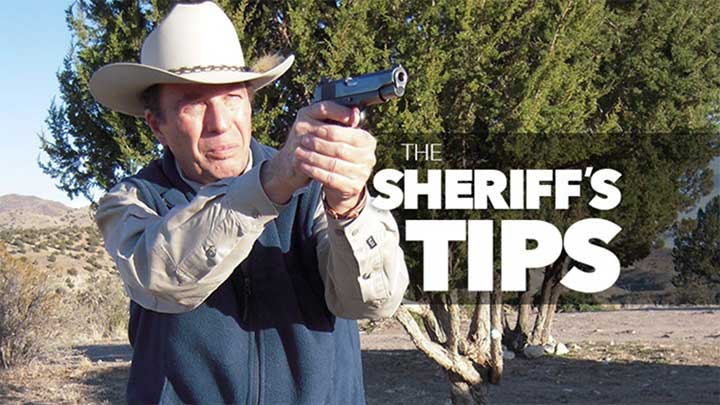
The best way to reload a defensive handgun, revolver or semi-automatic, is to do so with the gun high enough so that the user can keep his head erect. That would generally be at shirt pocket level or higher. In this manner, he can glance at the gun during the reloading process, of which I have to do so more with a revolver than a semi-automatic, and still have a pretty good view of what is going on around him.
Frankly, that did not seem to be as secure of a method and I had to practice it a lot before it felt right. However, it does a much better job of keeping you aware and in the know of what is actually going on. At the same time we always want to make use of cover, during a reload, whenever possible. Keep your head up, stay alert and get high to reload. That’s the way to stay aware of what going on in a situation.
Most Popular