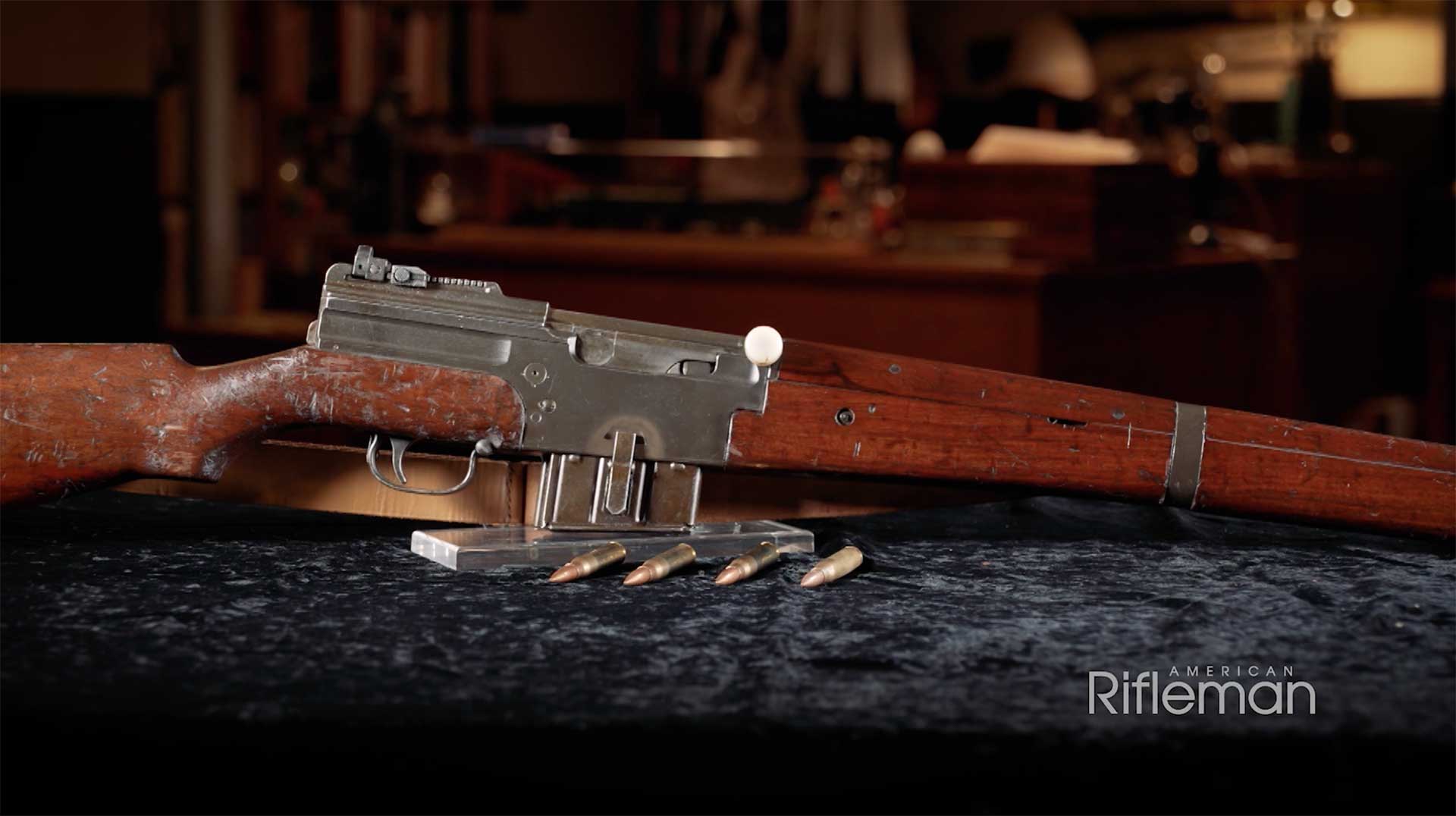
It is interesting to see the impact of market forces and legislation on handgun design. It seems single-stack pistols—those with cartridges one on top of the other in their magazines—are the hot, new thing … again. Back in the 1980s, firearm manufacturers were introducing what excitable gun magazines called “high-capacity wonder nines.” That is not an entirely accurate term as whatever round count a particular gun is designed for is its “standard-capacity” magazine. Until the Browning High Power of 1935, all pistol magazines were single-stacks. But I digress.
Regardless, the major players in the 1980s were introducing duty-size semi-automatic pistols with magazine capacities stretching up to 17 rounds. Yes, I am talking about the Glock 17 and its, successors. But other makers were introducing guns in the same class. The Beretta Model 92 held 15 rounds, and it still does, as does the SIG P226. And from the middle ’80s through the middle ’90s more and more duty-size guns with round counts from 12 to 17 9 mm Luger capacities emerged as American law enforcement—and shooters—switched from revolvers to semi-automatics.
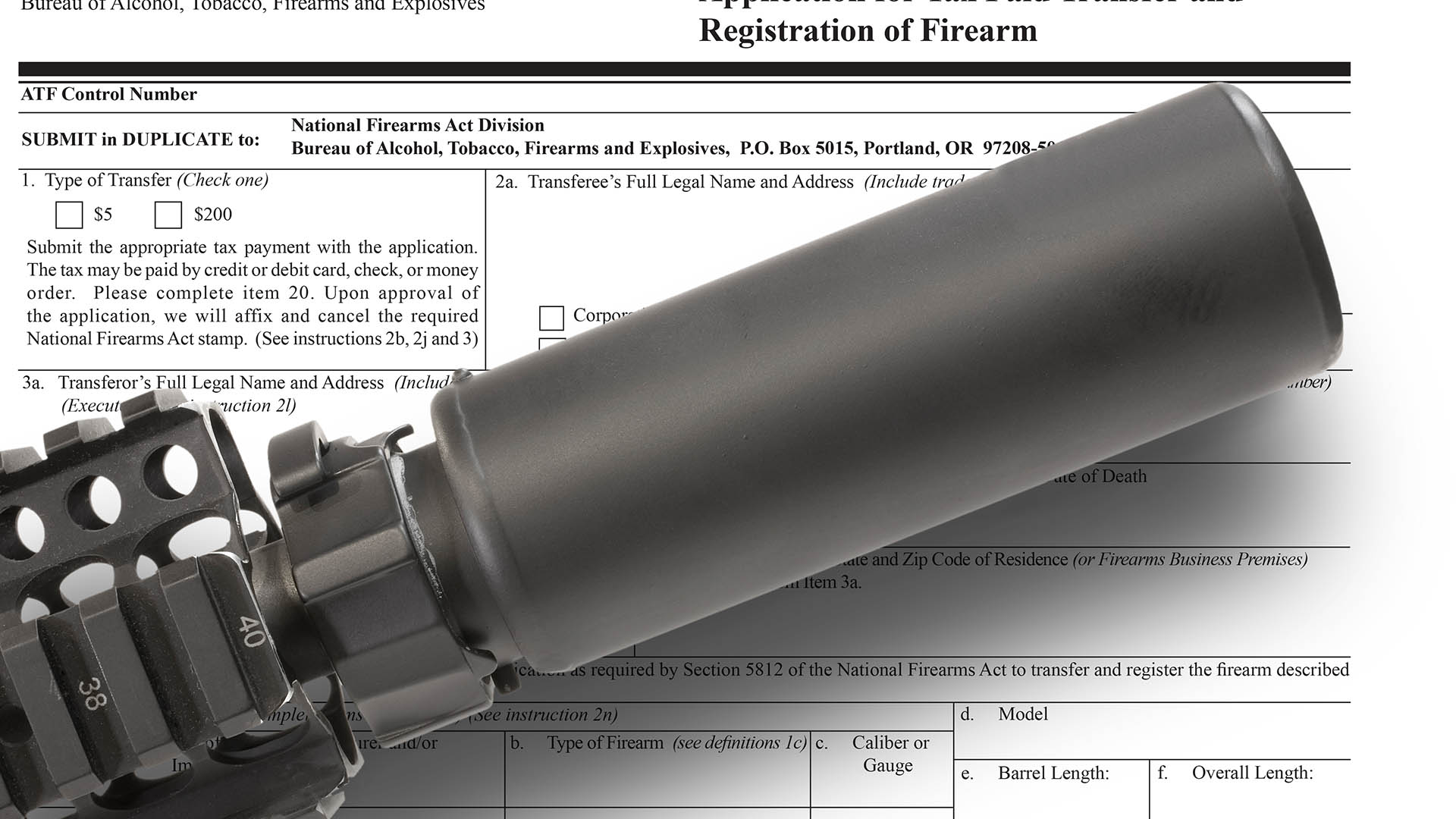
But then in 1994 Bill Clinton’s so-called “assault weapons ban” was signed into law. Anyone else remember that? Among other measures that had nothing to do with punishing criminals but everything to do with restricting cosmetic feature offered on new guns for law-abiding gun owners, magazine capacities on newly manufactured “feeding devices” were arbitrarily limited to 10 rounds for all but the military and law enforcement. As a side note, the law was written as such that any magazines produced before the ban were “grandfathered”—meaning no federal gun or magazine confiscation despite what Sen. Dianne “Mr. and Mrs. America, turn them all in” Feinstein wanted at the time—so makers, especially Glock, did a booming business in magazine trade-ins from police departments. Frankly, it was one of those moments of business genius one rarely sees in the firearm industry.
But also in that era, 1987, Florida passed the nation’s first “shall issue” Right-To-Carry law. Depending on where you lived, before that you were at the whims of the political leanings of your local sheriff or state police. More and more states followed Florida’s lead and momentum built in the 1990s. Lawful armed citizens told their legislators they wanted to have the means to protect themselves on their person—not just in their homes.
But the firearms designed for concealed carry by armed citizens back then were not as plentiful as they are today. Sure, you had stalwarts like the Colt Mustang, SIG P230, Star PD, Walther PPK/s and the venerable Smith & Wesson J-Frame, as epitomized in the Model 442, but new gun design needed to change to meet changing consumer demand.
But most innovation in those days occurred in full-size duty pistols with double-stack magazines. The thing about double-stack magazine is that they necessarily make the grip of a handgun fat. If you want a staggered column of cartridges, the gun has to be wider. Makers responded with guns featuring stunted grips and stubby barrels that were still big and fat where it counts through the grip frame. Ever held a Glock G26? 
But then two guns appeared on the cover of American Rifleman in June 1995, and my former boss, Technical Editor Robert W. Hunnicutt, called them “slicks slides”—single-stack guns with no external manual safeties. Those guns were the Kel-Tec P-11 and the Kahr Arms K9 in 9 mm. Justin Moon and George Kelgren were on to something. And that is the fact that a single-column magazine can have a gun built around it that can be concealed on the person and also not be so heavy as to pull your pants down. On carry guns, armed citizens were willing to give up standard-capacity, double-stack magazines in favor of thinner magazines in smaller guns that allowed for better concealment.
From 1994 to 2004 Bill Clinton’s so-called “assault weapons” ban stunted civilian firearms design through its arbitrary cap on magazine size. This coincided with increased demand for guns intended for concealed carry. Thanks to NRA, Bill Clinton's magazine ban expired in 2004. But the market demand for concealable pistols has done nothing but grow. There are more legally armed citizens with Right-To-Carry permits now than at any time in our nation’s history. And that trend continues.
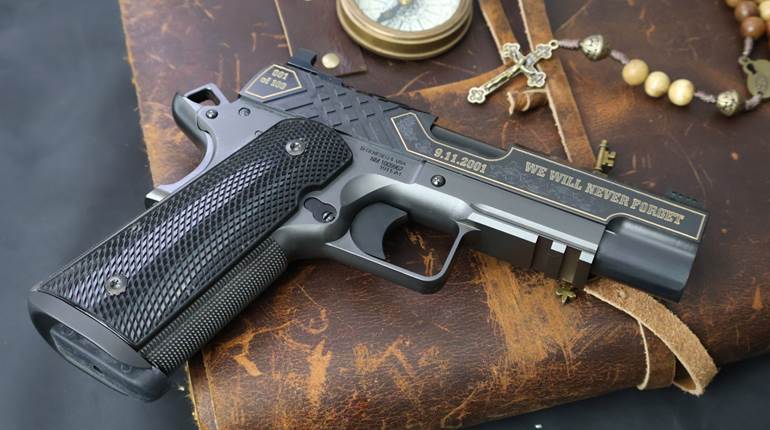
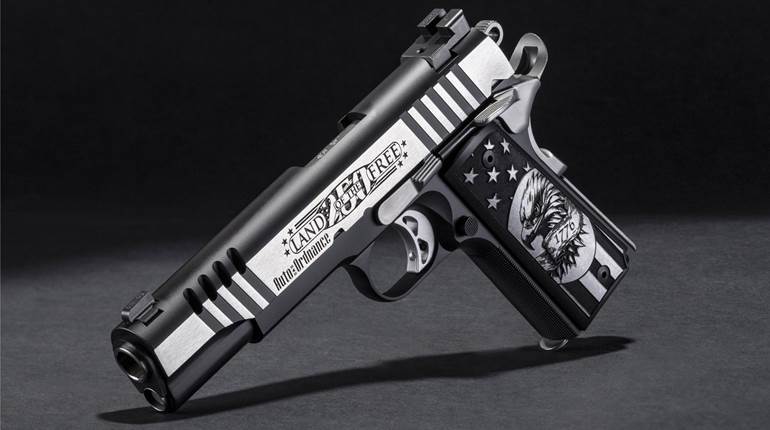
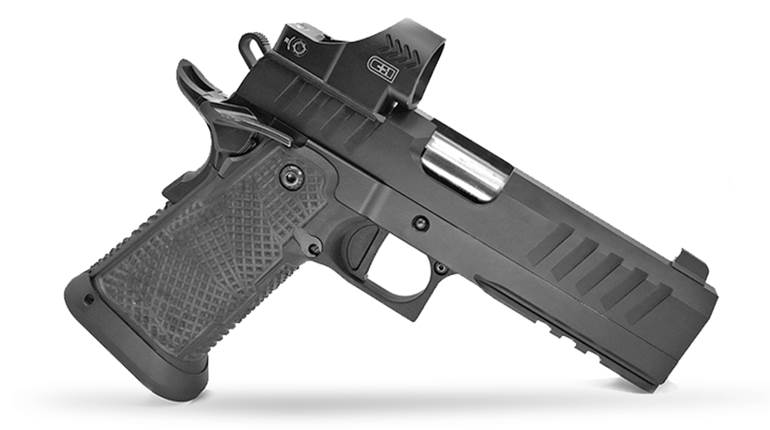
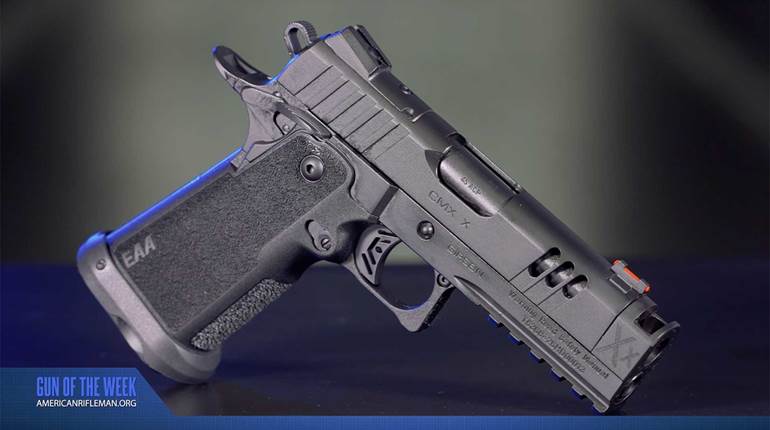
Another beneficiary (if there is such a thing) of Bill Clinton’s magazine ban was the venerable M1911 pistol. If you're limited to 10 rounds anyway, why not get seven or eight in a classic Government Model-styled pistol? There was an explosion in the number of companies making M1911s; it wasn’t just Colt, Springfield and small semi-custom makers, anymore. Jiminy Cricket, even EAA imports an M1911 now. Demand for M1911s appears to be bottomless. Demand for M1911s appears to be bottomless.
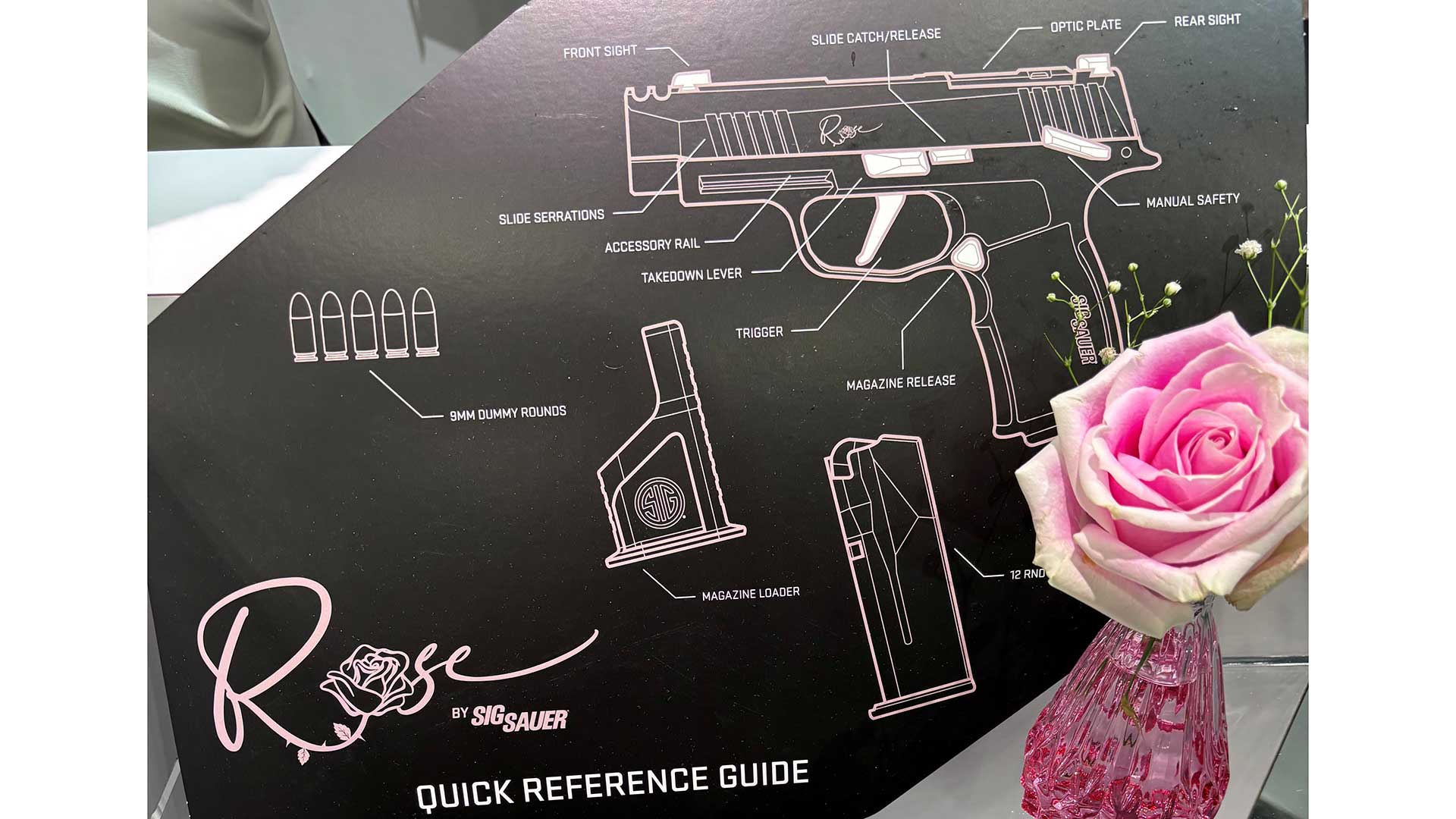
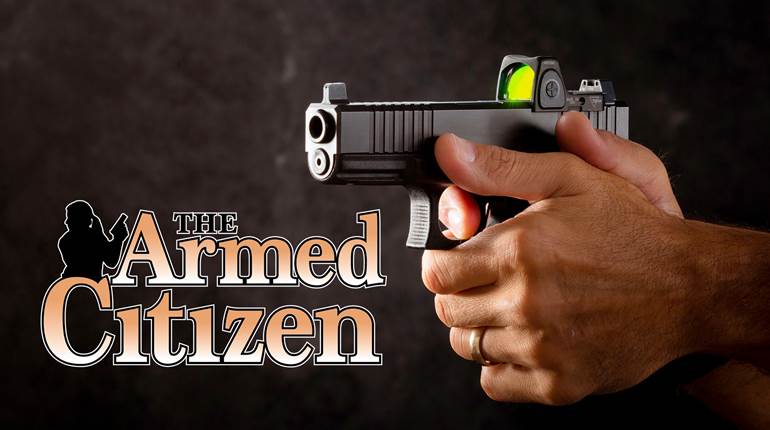
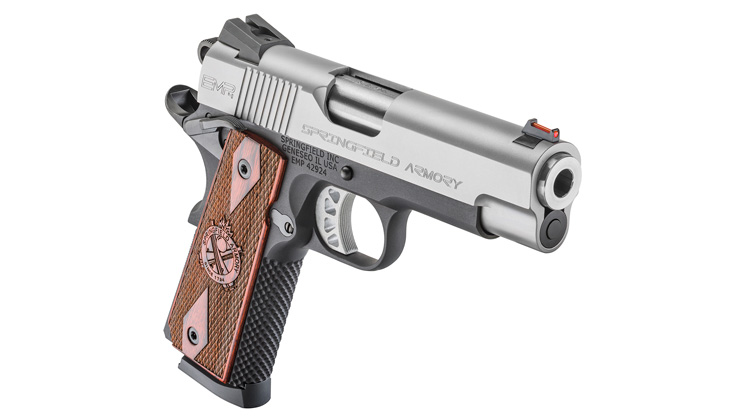
Too, double-stacks have continued to evolve. The Springfield XD(M) in 9 mm holds a 20-count capacity box of ammo. But the single-stack magazine remains a good idea to design a firearm around when concealability counts and one wants a grip frame well suited to those with smaller hands. The continued popularity of single-stacks in .380 ACP and 9 mm Luger has led to guns like the Browning 1911-380 and the Springfield 4" barreled EMP4. Even Glock has caught on with the G42 and likely the top-selling gun in the country, the 9 mm G43. It’s not cosmetic legislation passed by politicians that can’t tell a follower from a feed lip driving the creation of such guns, but consumer demand by armed citizens. And that’s the way it should be.