Clearly we were wrong two decades ago in all but sounding the death knell of the .470 Nitro, but let’s not be too harsh in judging the past. The editors back then (me included), had been convinced by a pervasive media campaign that the African elephant and rhino were on the verge of extinction, and accordingly, hunting those beasts had to stop. But as it turned out we had been conned by misinformation, some of it unwitting, but much of it deliberately planted by anti-hunting extremists.
In fact elephants remained in large numbers in many African countries, and as the economic activity generated by safari hunting dwindled, crop-raiding pachyderms became a growing hardship on a native population increasingly forced to depend on subsistence farming.
The result was increased poaching, which, if allowed to proceed unchecked, may well have threatened the elephant’s future. Fortunately, voices for true conservation worked throughout the 1990s to set the record straight and their timing coincided with a great surge of American interest in African hunting. Today elephants can be legally hunted inabout 10African nations and sport-hunted trophies can be imported into the U.S. fromalmost half of them.
The rhino is another conservation success story, and its existence truly was jeopardized by rampant poaching. But thanks to the dedicated efforts of wildlife managers in southern Africa supported by hunters and organizations such as NRA, the great horned beasts are on the rebound, and for the first time in decades, legal hunts for both African rhino species are being conducted.
Over the past year a sharp increase in rhino poaching has been reported, and while the losses won’t immediately threaten stabilized populations, it underscores the ongoing need for aggressive anti-poaching action funded by proceeds from visiting hunters. Accordingly, South Africa and other affected countries reportedly have stepped up their efforts.
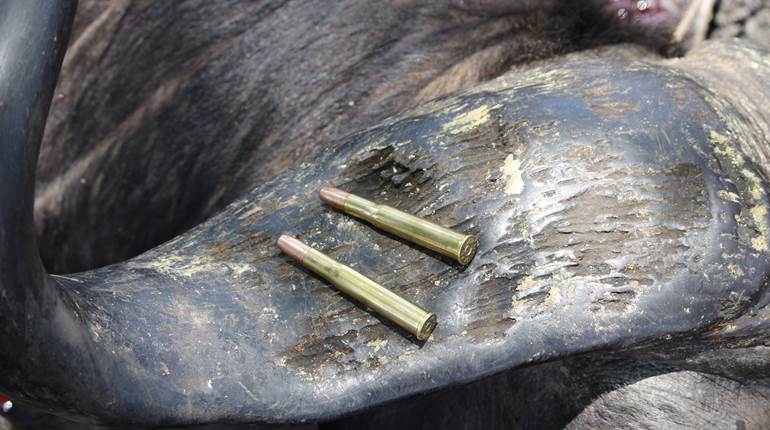
As a result, the .470 and other big-bore calibers are in greater use now than they have been in a century. Is it just coincidence that the number of Americans hunting in Africa spiked after Federal made safari ammunition better and more obtainable? Perhaps. Certainly it has had an influence beyond simply boosting hunters’ options. A rich hunting and shooting legacy has been revitalized and that, in turn, is ensuring the conservation of some of the earth’s most treasured wildlife.