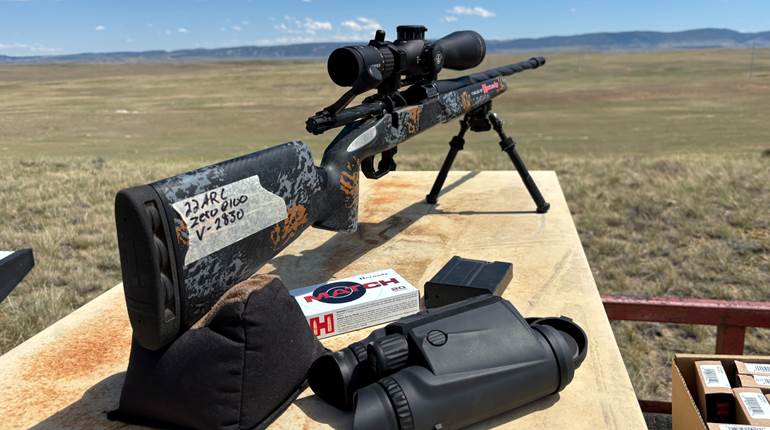
Experienced shooters, particularly those in long-range pursuits, know that it's impossible to keep all the shooting DOPE in their heads when it comes time to send rounds downrange. Of course many keep a data book with all manner of tips, DOPE, formulas and tools inside. But for the average hunter or casual shooter, a simple "cheat sheet" in the form of a handwritten or printer-generated table, graphic or notation(s) taped to the stock or to the underside of a hinged scope cover can not only save valuable time but can mean the difference between putting meat on the table or going hungry.
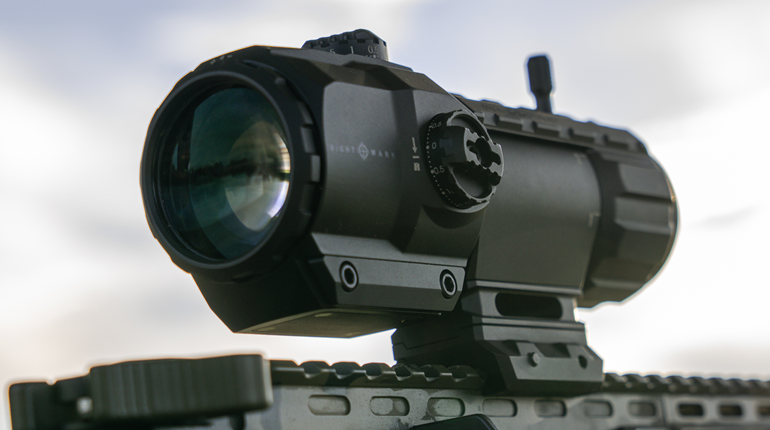
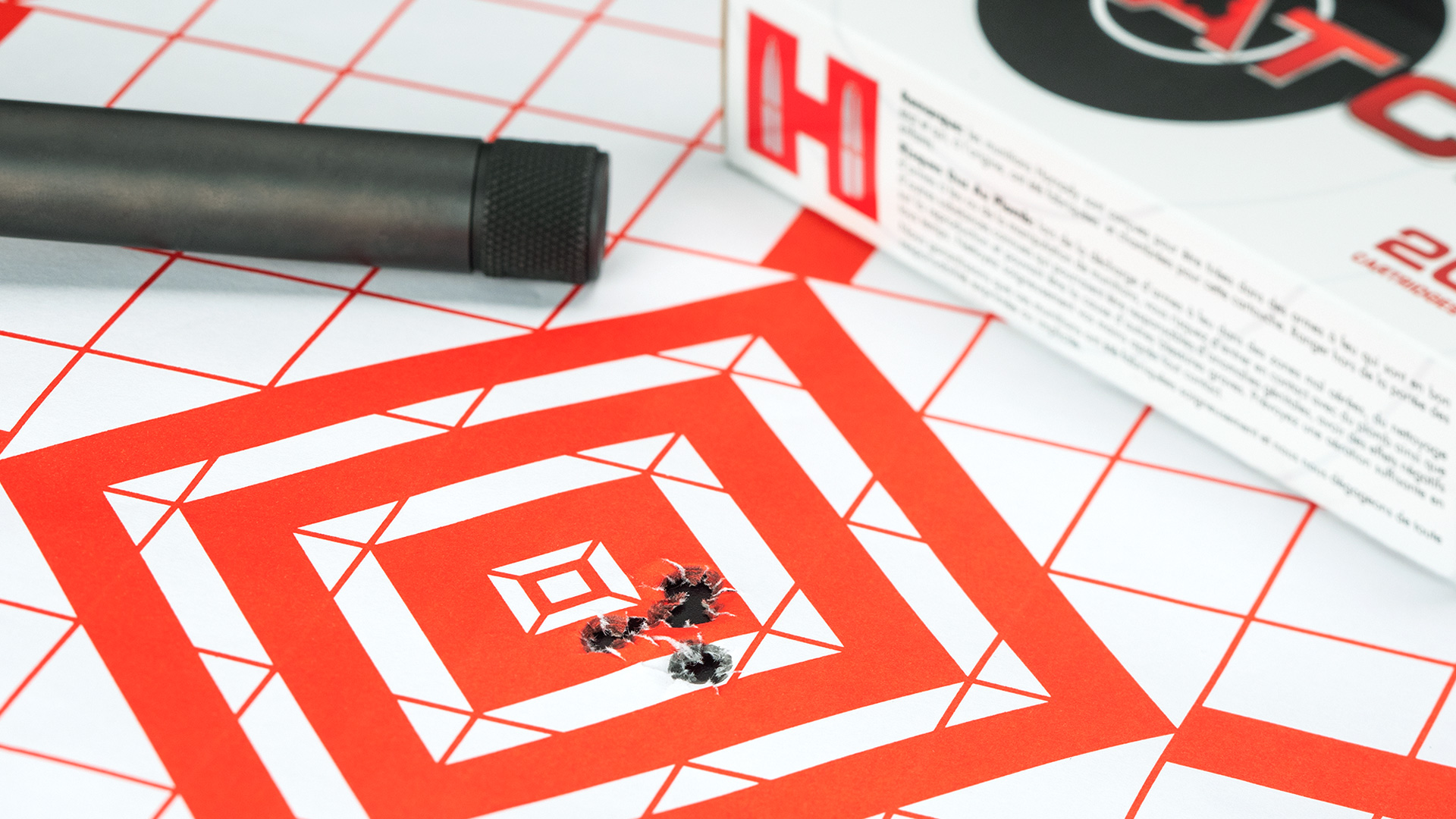
Information need not be too detailed; but, for example, could include a simple graphic representation of a scope's reticle design with calloffs indicating what the subtensions of its reticle segments are at various ranges. Most scope manufactures provide specific dimensional information about their reticles in their catalogs or online. Even a simple "plex"-style reticle can be useful in estimating range. For example, what dimensions do the the thick and thin sections of your horizontal or vertical crosshairs, or the areas between them, subtend to at 300 yds.? Use a calculator to determine a starting point and then confirm it on a paper target by shooting from a steady position at a range. Once you derive specific figures based on measured groups, make notes, sketch out a diagram that indicates the determined values and assign each the appropriate dimension for a given range. Then set it all down on a small self-stick label or a piece of paper affixed with clear tape to a convenient spot on the gun or optic.
Going through such a process will teach you a lot about your gun, your load and your own shooting capabilities. And if you're properly applying the fundamentals of marksmanship, the latter may be improved simply because you have that all-important advantage of knowing exactly how far your bullet with fall at a given range.
Most Popular